Welcome to your go-to guide on the different types of roof tiles available in Kapiti, created to help homeowners make confident, well-informed roofing decisions. Choosing the right roof tiles in the Kapiti Coast isn’t just about looks—it’s about finding a material that can handle coastal winds, salt air, heavy rain, and long-term wear while still complementing your home’s style and budget. With so many options available, from classic concrete and clay tiles to modern metal and composite alternatives, it’s easy to feel overwhelmed. This guide breaks everything down in plain language, drawing on practical roofing knowledge and local considerations, so you can clearly understand what each roof tile type offers, where it performs best, and what to expect over time.
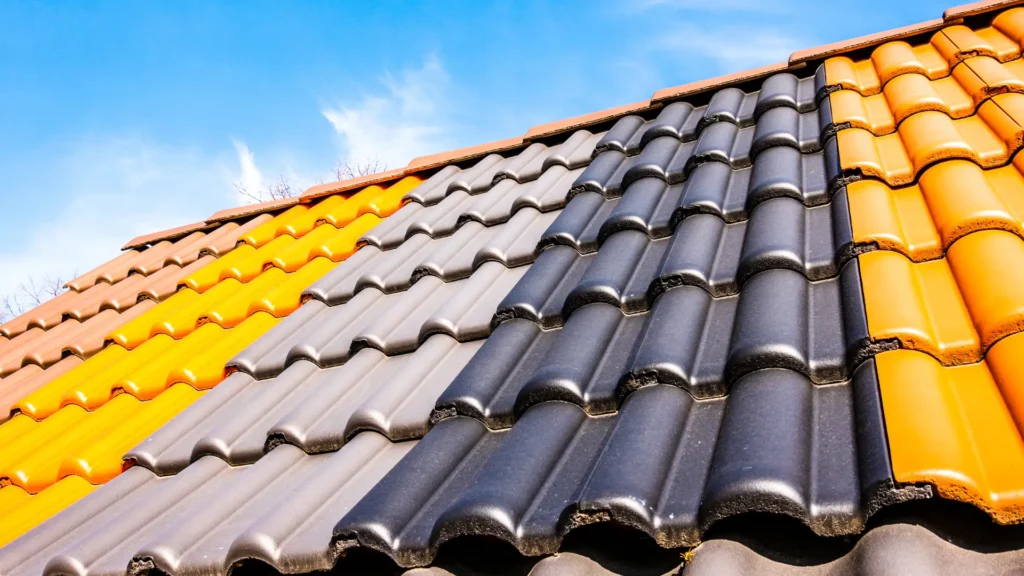
The most common types of roof tiles in Kapiti include concrete roof tiles, clay roof tiles, metal roof tiles, slate tiles, and composite or synthetic tiles. Each option offers different benefits in terms of durability, cost, maintenance, and suitability for Kapiti’s coastal climate, with factors like salt air resistance, wind performance, and long-term upkeep playing an important role in the right choice for homeowners.
Table of Contents
Why Roof Tile Choice Matters In Kapiti’s Climate
Choosing the right roof tiles in Kapiti is about more than appearance or upfront cost. Local weather conditions place unique demands on roofing materials, and making the wrong choice can lead to avoidable repairs, higher maintenance, and a shorter roof lifespan. Understanding how Kapiti’s coastal environment affects roofing helps homeowners make smarter, long-term decisions.
Coastal Weather Challenges In Kapiti
Kapiti’s proximity to the coast creates a combination of environmental factors that directly impact roof performance. These conditions can gradually wear down materials that are not designed for coastal exposure.
- Salt corrosion: Salt carried by sea air can accelerate corrosion in metal fixings, fasteners, and lower-quality roofing materials, especially if protective coatings are inadequate.
- Wind uplift: Strong coastal winds increase the risk of tile movement or lifting, particularly on older roofs or those installed without proper wind-zone compliance.
- Moisture exposure: Frequent rainfall and high humidity encourage moss, lichen, and moisture retention, which can weaken roof tiles and underlay over time.
These challenges make material selection critical, as not all roof tiles respond the same way to prolonged coastal exposure.
The Importance Of Durability And Long-Term Performance
In Kapiti’s climate, durability is not a luxury, it is a necessity. Roof tiles must be able to maintain their strength, appearance, and weather resistance year after year.
Durable roofing materials are better equipped to resist fading, cracking, corrosion, and water absorption. Over time, this reduces the likelihood of leaks, structural damage, and frequent repairs. A roof that performs well long-term also provides better value, even if the initial investment is slightly higher, because it minimizes ongoing costs and extends the roof’s overall lifespan.
How The Wrong Material Increases Maintenance And Early Replacement
Selecting roof tiles that are poorly suited to Kapiti’s conditions often results in higher maintenance demands. Materials that absorb moisture easily, lack proper coatings, or are not designed for high-wind zones may require frequent cleaning, repairs, or re-coating.
In some cases, unsuitable roof tiles can deteriorate much faster than expected, leading to premature replacement. This not only increases costs but can also disrupt daily life and reduce a home’s weather protection. Choosing the right material from the start helps avoid these long-term issues.
Local Building Standards And Council Considerations
Kapiti roofing projects must meet specific local building standards that account for wind zones and coastal exposure. Council requirements may influence tile selection, fixing methods, and installation techniques.
Working within these guidelines ensures the roof complies with regulations and performs as intended. It also reduces the risk of issues during inspections, insurance claims, or future property sales.
Why Kapiti Homes Need Different Roofing Solutions Than Inland Areas
Homes located inland typically experience lower salt exposure and less extreme wind conditions. Kapiti homes, by contrast, require roofing materials that can handle harsher environmental stress.
Roof tiles that perform well inland may struggle near the coast if they are not designed for salt resistance or high wind loads. This is why Kapiti homeowners benefit from roofing solutions tailored specifically to coastal living rather than relying on one-size-fits-all recommendations.
The Most Common Types Of Roof Tiles Used In Kapiti
Choosing the right roofing material is an important decision for Kapiti homeowners, especially in a coastal environment where wind, salt air, and moisture can impact long-term performance. Understanding the most common types of roof tiles used in Kapiti helps you compare materials based on durability, appearance, maintenance, and suitability for local conditions. This section transitions into the core roofing options you are most likely to encounter when researching or planning a roofing project in the Kapiti Coast area.
Concrete Roof Tiles
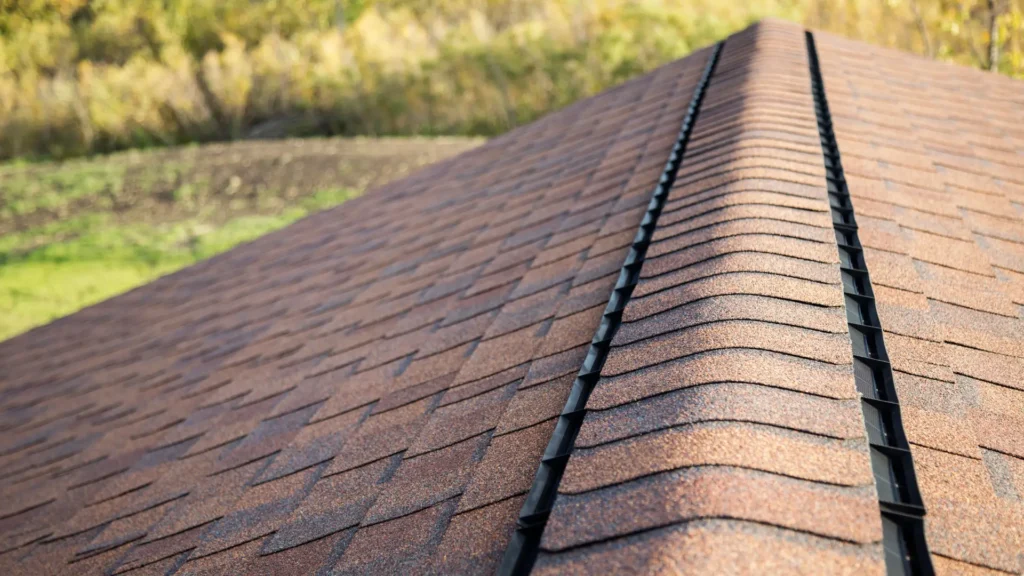
Concrete roof tiles are one of the most widely used roofing materials in Kapiti due to their strength, availability, and cost-effectiveness. They are made from a mixture of cement, sand, and natural pigments, then shaped into various profiles to suit different architectural styles.
- Durability: Concrete tiles are well suited to Kapiti’s weather conditions, offering strong resistance to wind and heavy rainfall when properly installed.
- Cost-Effectiveness: They are generally more affordable than clay or slate tiles, making them a popular choice for reroofing and renovation projects.
- Maintenance Needs: In coastal areas, concrete tiles benefit from regular inspections, cleaning, and occasional resealing to protect against moisture absorption and surface wear.
Clay Roof Tiles
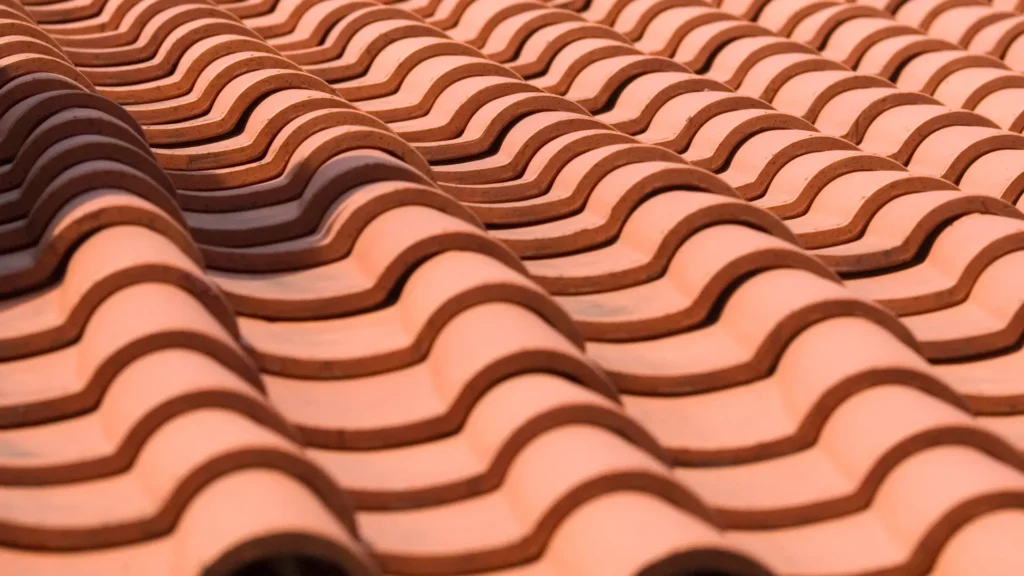
Clay roof tiles are a premium roofing option often chosen for their long lifespan and classic appearance. These tiles are manufactured from natural clay and fired at high temperatures, resulting in a dense, durable product that performs well in coastal environments like Kapiti.
- Natural Resistance: Clay tiles naturally resist salt corrosion, making them suitable for homes close to the coast.
- Long Lifespan: With correct installation, clay roof tiles can last for many decades with minimal degradation.
- Aesthetic Appeal: Their rich colour tones and traditional profiles enhance the visual appeal of both modern and character homes.
Metal Roof Tiles
Metal roof tiles are increasingly popular in Kapiti, particularly for homeowners seeking a lightweight and low-maintenance roofing solution. These tiles are often made from steel or aluminium and coated with protective finishes designed for coastal conditions.
- Lightweight Construction: Metal tiles place less load on roof structures, making them ideal for older homes or structural upgrades.
- Wind Performance: When securely fixed, metal roof tiles perform exceptionally well in high-wind areas common along the Kapiti Coast.
- Low Maintenance: Advanced coatings help protect against corrosion and reduce the need for frequent upkeep.
Slate Roof Tiles
Slate roof tiles are a natural stone roofing option known for their durability and distinctive appearance. While less commonly used in Kapiti due to their cost, they remain a premium choice for homeowners seeking long-term performance.
- Exceptional Longevity: Slate tiles can last 70 years or more when installed correctly.
- High-End Appearance: Their natural texture and colour variation provide a unique and timeless finish.
- Structural Requirements: Slate is heavy, so roof framing must be assessed to ensure it can support the additional weight.
Composite And Synthetic Roof Tiles
Composite and synthetic roof tiles are modern alternatives designed to replicate the look of traditional materials while offering improved performance benefits. These tiles are manufactured using engineered materials that are lightweight and highly resistant to environmental exposure.
- Coastal Suitability: Many composite tiles are designed to withstand UV exposure, moisture, and salt air.
- Ease Of Installation: Their lighter weight simplifies installation and reduces the need for structural modifications.
- Consistent Appearance: Composite tiles maintain a uniform look over time with minimal fading or surface wear.
Understanding the most common types of roof tiles used in Kapiti allows homeowners to make confident, informed decisions that suit both their property and the local climate. Each roofing material offers distinct advantages, and the best choice often depends on factors such as budget, home style, and exposure to coastal conditions. By focusing on roof tiles proven to perform well in Kapiti, you can choose a solution that delivers long-term reliability, protection, and peace of mind.
Concrete Roof Tiles
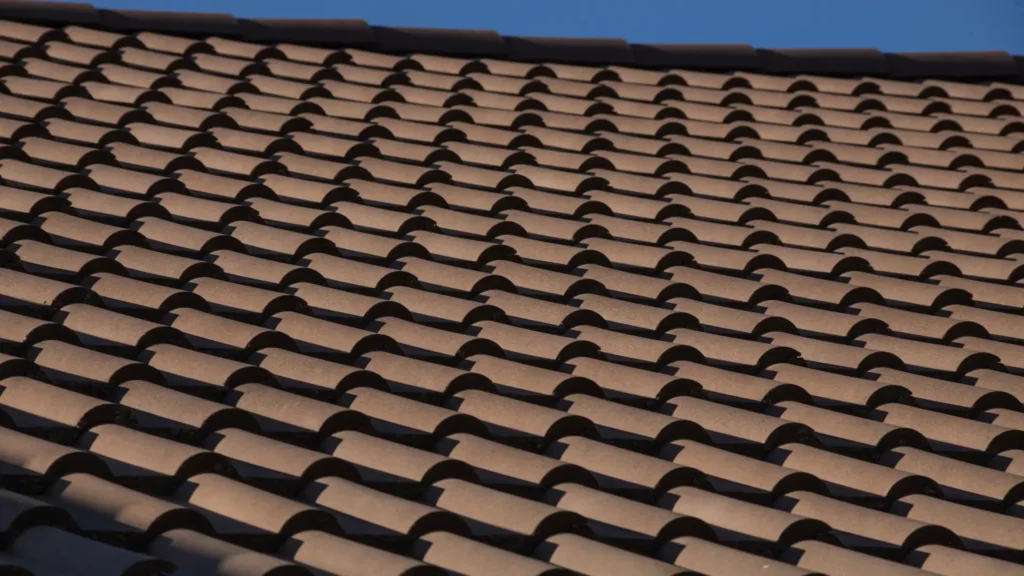
Concrete roof tiles are one of the most common roofing choices for homes across Kapiti, largely because they offer a practical balance between durability, affordability, and visual flexibility. Many local homeowners choose concrete tiles because they perform reliably in New Zealand conditions while offering a familiar, solid look that suits both modern and traditional homes.
What Are Concrete Roof Tiles?
Concrete roof tiles are made from a mixture of cement, sand, and water that is moulded under high pressure and then cured to create a strong, weather-resistant roofing material. Once formed, the tiles are often coated or painted to enhance their appearance and improve resistance to moisture and UV exposure. For homeowners, this means a roofing option that feels robust, long-lasting, and well suited to everyday residential use.
Pros Of Concrete Roof Tiles
Concrete roof tiles offer several advantages that make them a popular choice for Kapiti homes.
- Durable: Concrete tiles are designed to withstand harsh weather, including heavy rain, strong winds, and general wear over time. When properly installed, they can last for decades without needing replacement.
- Cost-effective: Compared to premium materials like slate or clay, concrete roof tiles are generally more affordable upfront, making them an attractive option for homeowners working within a defined budget.
- Wide range of colours and profiles: Concrete tiles are available in many shapes, textures, and colours, allowing homeowners to match their roof to the architectural style of their home without sacrificing performance.
Cons Of Concrete Roof Tiles
While concrete roof tiles are reliable, there are a few drawbacks worth considering before making a decision.
- Heavier than other options: Concrete tiles are significantly heavier than metal or composite roofing, which means the roof structure must be strong enough to support the added weight.
- Can fade over time: Exposure to sunlight and coastal conditions can cause the surface coating to fade gradually, although this usually affects appearance rather than performance.
- Requires proper roof structure: Homes that were not originally designed for concrete tiles may need structural assessment or reinforcement during reroofing.
Are Concrete Roof Tiles Suitable For Kapiti Homes?
Concrete roof tiles can perform well in Kapiti’s coastal environment when installed correctly and maintained regularly. They offer good resistance to wind and rain, which is important for exposed coastal areas, but they do require periodic inspection to manage salt buildup, moss, and surface wear. Simple maintenance, such as occasional cleaning and recoating when needed, can significantly extend their lifespan and keep them looking presentable. For many Kapiti homeowners, concrete roof tiles remain a dependable and cost-conscious option that balances long-term performance with visual appeal.
In summary, concrete roof tiles are a solid, proven roofing choice for Kapiti homes, especially for homeowners looking for durability and value. With the right installation and ongoing care, they can provide reliable protection and peace of mind for many years to come.
Clay Roof Tiles
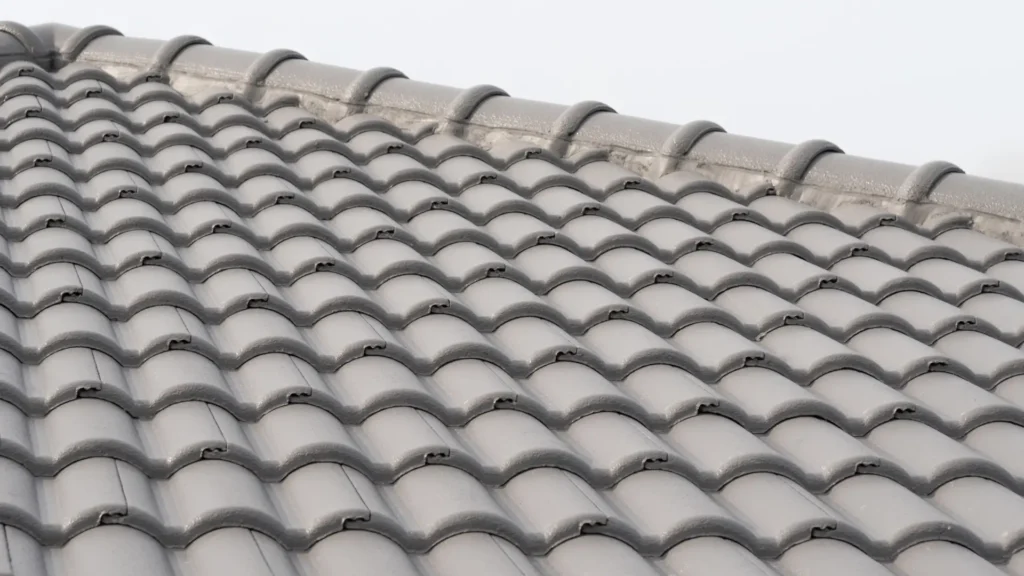
Clay roof tiles are a popular roofing choice for homeowners who value durability, timeless design, and proven performance in coastal environments like Kapiti. Known for their natural composition and classic appearance, clay tiles have been used for centuries and continue to be a trusted option for homes exposed to harsh weather conditions. Their ability to withstand sun, wind, and salt air makes them especially relevant for properties along the Kapiti Coast, where material choice plays a major role in long-term roof performance.
What Are Clay Roof Tiles?
Clay roof tiles are roofing materials made from natural clay that is shaped and then fired at high temperatures to create a hard, weather-resistant tile. Because they are made from natural materials, clay tiles offer a distinctive, traditional appearance that suits a wide range of architectural styles, from heritage homes to Mediterranean-inspired designs. Each tile is designed to interlock or overlap, providing effective water shedding and long-term protection for the roof structure beneath.
Pros Of Clay Roof Tiles
Clay roof tiles are valued for several long-term benefits that make them a strong roofing investment, particularly in coastal regions.
- Long Lifespan: Clay roof tiles are known for their exceptional longevity, often lasting 50 to 100 years when properly installed and maintained. This makes them one of the longest-lasting roofing materials available to Kapiti homeowners.
- Excellent Colour Retention: Because the colour is baked into the clay during manufacturing, clay roof tiles retain their appearance far better than painted or coated alternatives. They resist fading from sun exposure, helping roofs maintain their visual appeal for decades.
- Resistant To Salt Air: Clay tiles naturally resist corrosion and deterioration caused by salty coastal air, making them well-suited to Kapiti’s seaside conditions where other materials may degrade more quickly.
Cons Of Clay Roof Tiles
While clay roof tiles offer many advantages, there are also some considerations homeowners should be aware of before choosing this roofing option.
- Higher Upfront Cost: Clay roof tiles generally cost more than concrete or metal alternatives at the initial installation stage. However, their long lifespan often offsets this higher upfront investment over time.
- Fragility During Installation: Clay tiles can be more brittle than other roofing materials, which means careful handling and experienced installation are essential to avoid breakage during transport or fitting.
Clay Roof Tiles In Kapiti’s Coastal Environment
Clay roof tiles are especially popular in seaside regions because of their ability to handle coastal exposure without rusting, rotting, or losing structural integrity. In Kapiti, where homes are frequently exposed to salt-laden air, strong winds, and fluctuating weather, clay tiles offer a reliable and low-risk roofing solution. They make the most sense for homeowners seeking a long-term roof with minimal colour fading, strong resistance to coastal elements, and a classic aesthetic that adds character and value to the property.
For Kapiti homeowners who prioritise durability, appearance, and proven coastal performance, clay roof tiles remain a practical and trusted roofing choice. Taking the time to weigh their benefits against installation requirements can help ensure the right decision for both your home and your long-term peace of mind.
Metal Roof Tiles (Pressed Metal / Tile-Profile Roofing)
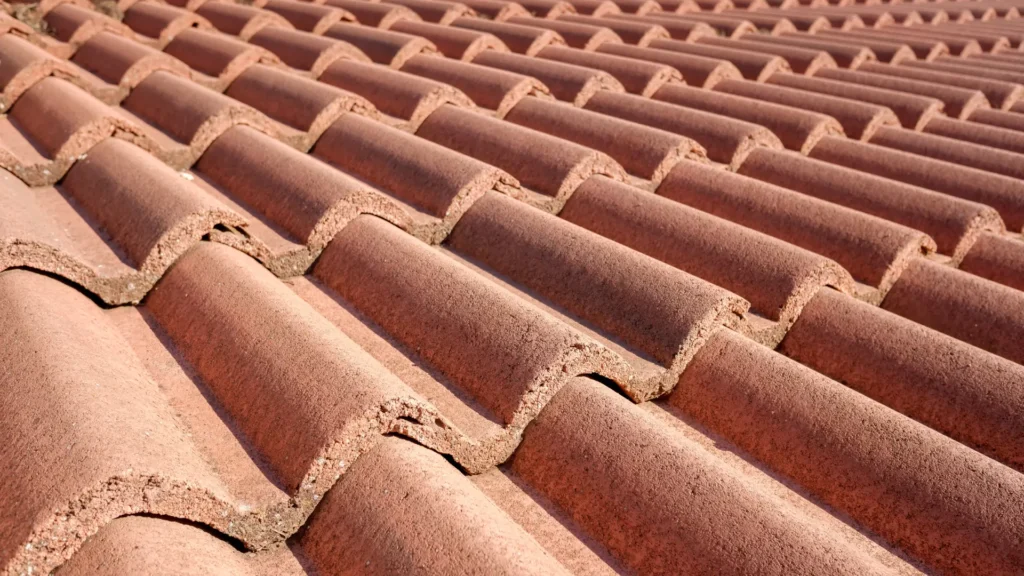
Metal roof tiles, often referred to as pressed metal or tile-profile roofing, are a popular roofing option for homeowners who want the look of traditional tiles with the performance benefits of modern metal. In Kapiti, they are increasingly chosen for their strength, lighter weight, and suitability for coastal conditions when installed correctly.
What Are Metal Roof Tiles?
Metal roof tiles are manufactured from steel or aluminium sheets that are pressed into tile-like profiles, designed to replicate the appearance of concrete or clay tiles. They are fixed individually or in modular panels to the roof structure, offering a more traditional tiled look compared to long-run metal roofing.
Difference Between Metal Tiles And Long-Run Roofing
Metal roof tiles differ from long-run roofing in both appearance and installation. Long-run roofing uses large continuous sheets that run from the ridge to the gutter, creating a clean, modern finish. Metal tiles, on the other hand, are shaped to resemble classic roof tiles and are installed in smaller sections, making them visually closer to traditional tiled roofs while still benefiting from metal’s durability and lighter weight.
Pros Of Metal Roof Tiles
Metal roof tiles offer several practical advantages, particularly for homes exposed to strong weather conditions.
- Lightweight:
Metal roof tiles are significantly lighter than concrete or clay tiles, which reduces stress on the roof structure and can make them suitable for reroofing projects without major structural upgrades. - Wind-Resistant:
When properly installed, metal roof tiles provide excellent resistance to high winds, an important consideration for Kapiti homes that experience strong coastal gusts. - Low Maintenance:
Compared to traditional tiles, metal roof tiles require less ongoing maintenance, as they are less prone to cracking, moss growth, or water absorption.
Cons Of Metal Roof Tiles
While metal roof tiles offer many benefits, there are also a few considerations homeowners should be aware of before choosing this option.
- Noise Considerations:
Without proper insulation, metal roofing can be noisier during heavy rain. However, modern roofing systems typically include insulation and underlay that greatly reduce sound levels. - Requires Quality Coatings In Coastal Areas:
In coastal environments like Kapiti, metal roof tiles must have high-quality protective coatings to resist corrosion from salt air. Choosing the right product and installer is essential to ensure long-term performance.
Are Metal Roof Tiles A Good Option In Kapiti?
For many homeowners, metal roof tiles can be a very practical and reliable roofing solution in Kapiti, especially when coastal-specific requirements are taken into account.
- Salt-Resistant Coatings:
Metal roof tiles designed for coastal use feature advanced protective coatings that help prevent rust and corrosion, making them well-suited to Kapiti’s seaside conditions when properly maintained. - Ideal Scenarios For Kapiti Homes:
Metal roof tiles are ideal for homes that need a lightweight roofing solution, properties in high-wind areas, and homeowners who want a balance between traditional tile appearance and modern performance. They are also a strong option for reroofing older homes where structural load limits may be a concern.
In summary, metal roof tiles offer a versatile and durable roofing option for Kapiti homeowners who want long-lasting protection without the weight and maintenance demands of traditional tiles. When chosen carefully and installed by experienced professionals, they can provide both visual appeal and dependable performance for years to come.
Slate Roof Tiles
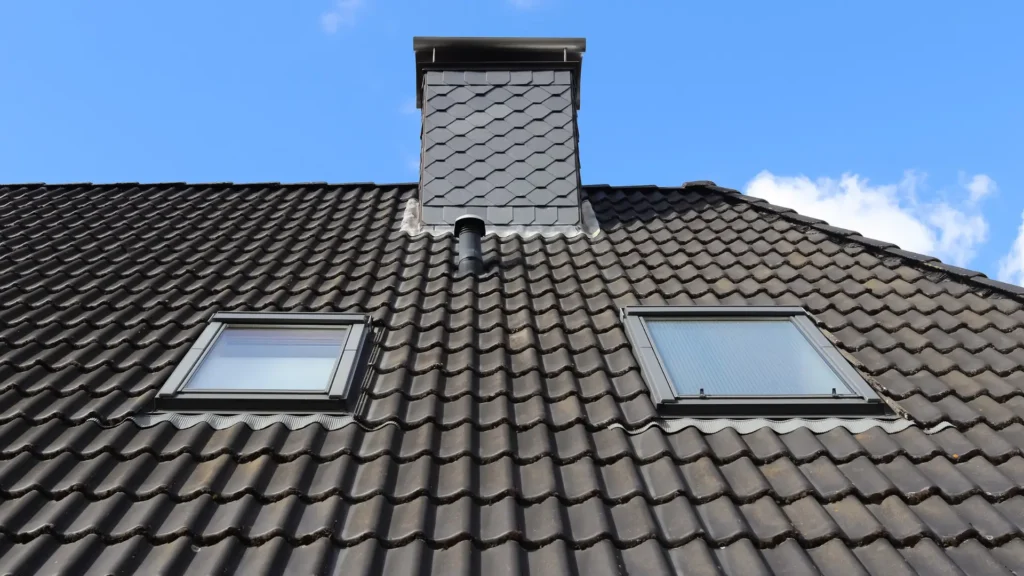
Slate roof tiles are widely regarded as a premium roofing option, valued for their natural beauty, durability, and long-term performance. While slate roofing is less common in Kapiti due to its cost and installation requirements, it remains an attractive choice for homeowners seeking a high-end, long-lasting roofing solution that can perform well in coastal conditions when installed correctly.
What Are Slate Roof Tiles?
Slate roof tiles are produced from natural stone that is quarried and split into thin, flat pieces suitable for roofing. Each tile retains natural variations in texture and colour, giving slate roofs a distinctive and elegant appearance. As a natural stone roofing option, slate has been used for centuries and is known for its ability to withstand harsh weather, including wind and rain, over extended periods of time.
Pros Of Slate Roof Tiles
Slate roof tiles offer several benefits that make them appealing for certain Kapiti homes:
- Premium appearance: Slate tiles provide a refined and timeless look that suits heritage homes and high-end architectural designs. The natural stone finish adds character and visual depth that manufactured roofing materials often cannot replicate.
- Extremely long lifespan: Slate is one of the longest-lasting roofing materials available, with many slate roofs lasting 75 to 100 years or more when properly installed and maintained, making it a strong long-term investment.
Cons Of Slate Roof Tiles
Despite their advantages, slate roof tiles come with important considerations:
- High cost: Slate roofing is significantly more expensive than most other tile options, both in material costs and labour, which can place it outside the budget of many homeowners.
- Specialist installation required: Slate tiles are heavy and can be fragile during handling, meaning installation must be carried out by experienced roofing specialists. Incorrect installation can lead to breakage, leaks, or reduced roof performance.
Is Slate Practical For Kapiti Homes?
Slate roof tiles can be suitable for Kapiti homes, but they are typically best reserved for specific applications rather than standard residential builds. Slate performs well in wet and windy conditions and offers good resistance to moisture, which is beneficial in a coastal environment. However, due to its high cost and structural requirements, slate is most commonly chosen for heritage properties, custom-designed homes, or luxury builds where aesthetics and longevity are prioritised over initial expense. For many Kapiti homeowners, alternative roofing materials may offer a more practical balance between performance, cost, and maintenance.
If you are considering slate roof tiles for your Kapiti home, it is important to weigh the long-term value against the upfront investment and consult a roofing professional with experience in slate and coastal installations. Taking the time to assess suitability now can help ensure your roof delivers lasting performance and visual appeal.
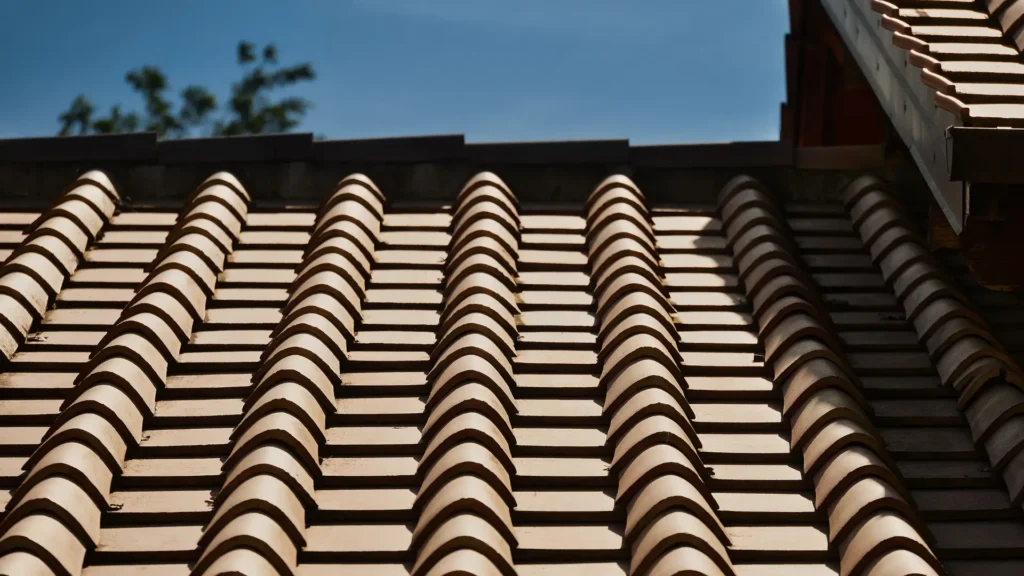
Composite & Synthetic Roof Tiles
Composite and synthetic roof tiles have become an increasingly popular choice for homeowners who want the look of traditional roofing materials without the weight and maintenance challenges that often come with them. In Kapiti, where coastal conditions can be demanding, these modern roofing options offer a practical balance between appearance, performance, and long-term durability, making them worth serious consideration.
What Are Composite Roof Tiles?
Composite roof tiles are engineered roofing products made from a blend of materials such as recycled plastics, polymers, rubber, or fibreglass. They are designed to replicate the appearance of more traditional roofing materials like clay or slate while offering improved performance characteristics. Unlike natural materials, composite tiles are manufactured to be consistent in shape, colour, and quality, which helps create a clean, uniform finish across the roof. For Kapiti homeowners, this modern construction means a roofing option that looks familiar but is built to handle contemporary environmental challenges more effectively.
Pros Of Composite Roof Tiles
Composite roof tiles offer several advantages that make them appealing, particularly in coastal areas.
- Lightweight: Composite tiles are significantly lighter than concrete, clay, or slate tiles, which reduces strain on the roof structure and often eliminates the need for structural reinforcement during reroofing projects.
- Durable: These tiles are engineered to withstand cracking, chipping, and impact damage, helping them maintain their appearance and performance over time.
- UV And Salt Resistant: High-quality composite tiles are designed to resist fading from UV exposure and degradation caused by salt air, making them well suited to Kapiti’s coastal climate.
Cons Of Composite Roof Tiles
While composite roofing offers many benefits, there are also some considerations to keep in mind.
- Less Traditional Feel: Although designed to mimic natural materials, some homeowners feel composite tiles lack the authenticity and character of real clay or slate.
- Varies By Manufacturer: Quality, lifespan, and performance can differ depending on the brand, making it important to choose a reputable manufacturer and experienced installer.
Composite Roofing For Kapiti Properties
Composite roof tiles are gaining popularity across Kapiti as more homeowners look for roofing solutions that combine durability with low maintenance. They are particularly well suited to properties exposed to strong coastal winds, salt air, and fluctuating weather conditions, as their lightweight nature and engineered resilience help reduce common roofing issues. Composite tiles are often a smart choice for homeowners who want the visual appeal of traditional roofing styles without the higher costs, heavier weight, or ongoing upkeep associated with natural materials. For modern homes, renovations, or reroofing projects where performance and longevity are priorities, composite roofing can be a practical and forward-looking option.
Choosing the right roofing material is about finding the best balance between appearance, performance, and long-term value, and composite roof tiles offer a compelling option for many Kapiti homeowners looking for a modern solution that stands up to local conditions.
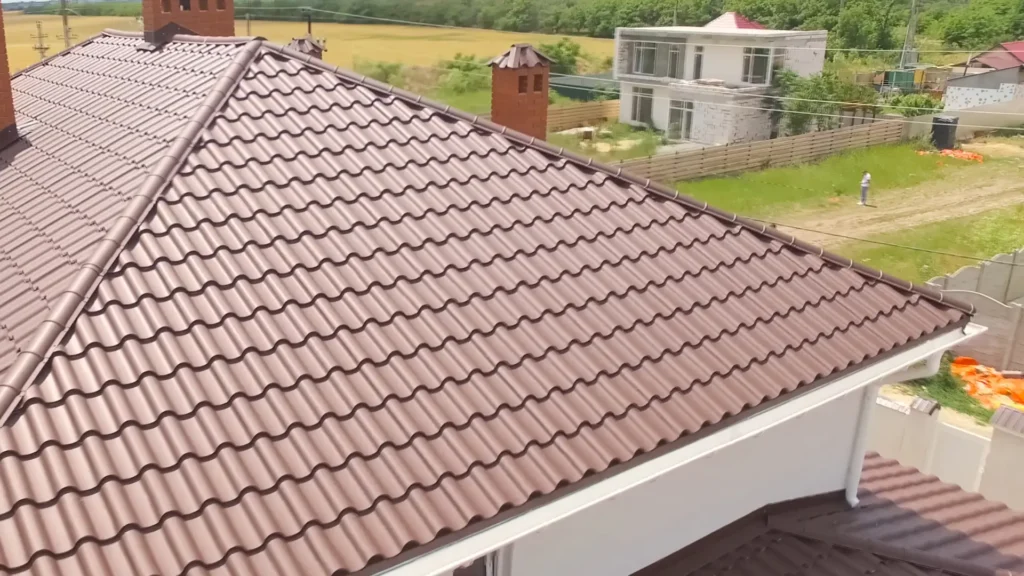
Comparing Roof Tile Types Side by Side
Choosing between different roof tile options can feel overwhelming, especially when each material offers different benefits depending on budget, style, and exposure to Kapiti’s coastal conditions. This section breaks things down clearly, helping homeowners compare roof tile types based on practical, real-world factors that influence performance, longevity, and overall value.
Key Comparison Factors Explained
Before reviewing the comparison table, it is important to understand what each factor means and why it matters for homes in Kapiti.
- Cost Range: This reflects the typical upfront cost for materials and installation. Prices can vary based on roof size, pitch, access, and the complexity of the installation.
- Lifespan: An estimated timeframe for how long each roof tile type can last when properly installed and maintained under Kapiti’s coastal weather conditions.
- Maintenance Level: Indicates how much ongoing care is usually required, such as cleaning, inspections, or minor repairs, to keep the roof in good condition.
- Suitability For Coastal Environments: Evaluates how well each material performs against salt air, moisture, strong winds, and general coastal exposure common in Kapiti.
- Aesthetic Appeal: Considers how well the roof tiles suit different architectural styles and how effectively they maintain their appearance over time.
Roof Tile Comparison Table
| Roof Tile Type | Cost Range | Lifespan | Maintenance Level | Coastal Suitability | Aesthetic Appeal |
| Concrete Roof Tiles | Moderate | 40–50 years | Moderate | Good with regular care | Traditional and versatile |
| Clay Roof Tiles | High | 60–70+ years | Low | Very good | Classic and premium |
| Metal Roof Tiles | Low to Moderate | 30–50 years | Low | Very good with proper coatings | Clean and modern |
| Slate Roof Tiles | Very High | 80–100+ years | Low | Good with specialist installation | Timeless and high-end |
| Composite Roof Tiles | Moderate to High | 40–50 years | Low | Very good | Flexible modern or classic look |
What This Comparison Means For Kapiti Homeowners
Seeing roof tile options side by side makes it easier to understand where each material excels. Concrete tiles offer a reliable balance between cost and durability, while clay and slate appeal to homeowners seeking long-term performance and visual appeal. Metal and composite roof tiles are often chosen for Kapiti homes because they handle coastal conditions well and require less maintenance. The best choice depends on your home’s exposure, structural capacity, budget, and how much upkeep you are prepared for over time.
Comparing roof tile types using clear, practical criteria helps homeowners make confident decisions without guesswork. By considering cost, lifespan, maintenance, coastal performance, and appearance together, you can choose a roofing option that suits both your home and Kapiti’s unique environment, ensuring long-lasting protection and peace of mind.
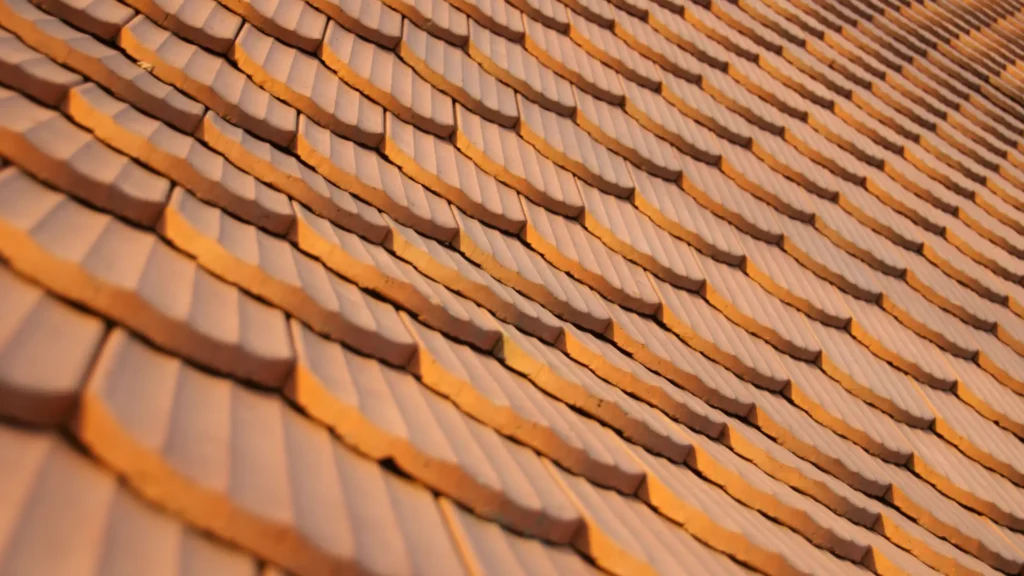
How To Choose The Right Roof Tiles For Your Kapiti Home
Choosing the right roof tiles for your Kapiti home can feel confusing at first, especially when you’re balancing cost, appearance, and the demands of a coastal environment. With the right approach, however, the decision becomes much simpler and more manageable, allowing you to focus on what will work best for your home long term.
Key Decision Factors To Consider
- Budget:
Your budget is often the starting point, but it should not be the only factor. While some roof tiles are more affordable upfront, they may require more frequent maintenance or have a shorter lifespan. Higher-quality tiles can cost more initially but often provide better durability and long-term value, which can save money over time. - Home Style:
The style of your home should guide your roof tile choice. Modern homes typically pair well with sleek metal or composite tiles, while traditional or character homes often suit concrete, clay, or slate tiles. Matching your roof tiles to your home’s design helps create a cohesive look and can improve overall curb appeal. - Structural Capacity:
Some roof tiles are significantly heavier than others. Concrete and slate tiles, for example, may require your home to have sufficient structural support. This is especially important for older homes or when changing roofing materials during a reroof. Lighter options like metal or composite tiles can reduce the need for structural upgrades. - Exposure To Wind And Salt:
Kapiti’s coastal conditions mean your roof must withstand strong winds and salt exposure. Tiles that are poorly suited to these conditions may deteriorate faster or become damaged during storms. Choosing materials designed for coastal environments helps ensure better performance and longevity. - Long-Term Maintenance Expectations:
Different roof tiles require different levels of upkeep. Some homeowners prefer low-maintenance options that only need occasional inspections, while others are comfortable with more regular cleaning or recoating. Understanding how much maintenance you are willing to manage will help narrow down the most suitable options.
Simplifying The Decision
It’s completely normal to feel uncertain when comparing roofing options. By prioritising what matters most to you, whether that’s durability, appearance, or minimal maintenance, you can eliminate choices that don’t align with your needs and make a confident, informed decision.
Choosing the right roof tiles for your Kapiti home comes down to balancing practical considerations with long-term performance in a coastal setting. By taking the time to assess these key factors and seeking professional advice when needed, you can select roof tiles that protect your home, suit your style, and provide peace of mind for years to come.
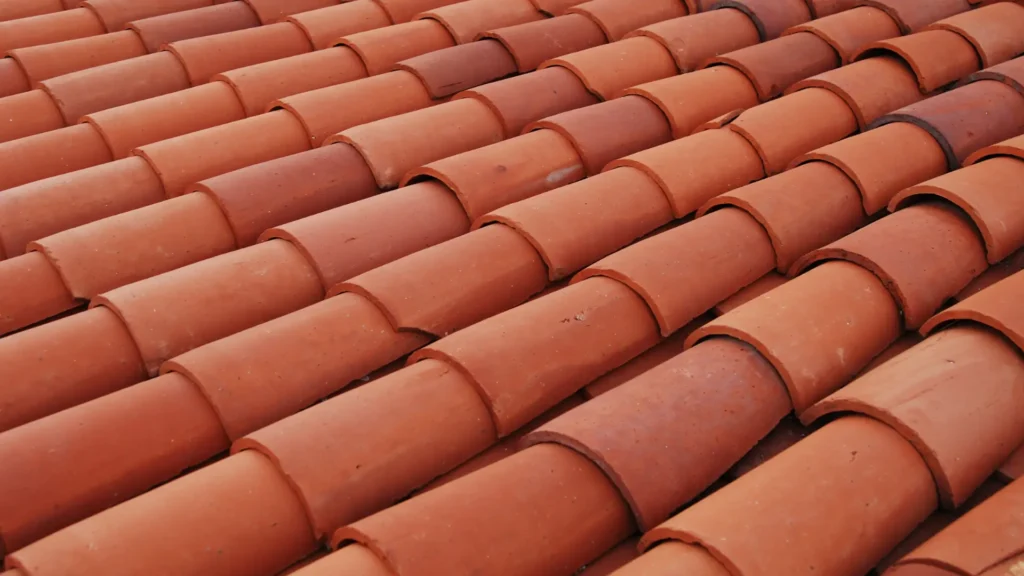
Roof Tile Installation Considerations In Kapiti
Installing roof tiles in Kapiti requires careful planning to ensure the roof performs well in coastal conditions and meets local building expectations. Beyond selecting the right tile material, homeowners need to consider who installs the roof, how it handles wind exposure, whether the roof pitch is suitable, and if any approvals are required. Addressing these factors early helps avoid costly issues and supports long-term durability.
Importance Of Experienced Local Installers
Hiring experienced local installers is essential when installing roof tiles in Kapiti. Local roofing professionals understand the specific challenges posed by coastal weather, including strong winds, salt air, and frequent moisture. Their familiarity with regional building practices and roof designs allows them to install tiles correctly and recommend solutions that suit Kapiti homes. Working with local installers also means better communication, easier follow-ups, and confidence that the work aligns with local standards.
Wind Loading Requirements
Strong winds are a defining feature of the Kapiti Coast, making wind loading a key consideration during roof tile installation. Roof tiles must be fixed securely to prevent lifting, shifting, or damage during high wind events. Correct installation methods help protect both the roof structure and the interior of the home.
- Wind Exposure Levels: Homes closer to the coast or in elevated areas may require additional fixing measures.
- Tile Fixing Systems: Proper clips, fasteners, and installation techniques help keep tiles secure during storms.
- Long-Term Performance: Correct wind-rated installation reduces the risk of future repairs and tile replacement.
Meeting wind loading requirements is crucial for maintaining roof safety and durability in Kapiti conditions.
Roof Pitch Compatibility
Roof pitch plays an important role in determining which roof tiles are suitable for your home. Different tile types are designed to work within specific pitch ranges to allow proper water runoff and effective tile interlocking. Installing tiles that are not compatible with your roof pitch can lead to water pooling, leaks, and reduced performance during heavy rain.
A professional installer will assess your roof pitch and recommend tile options that meet both functional and aesthetic needs, helping ensure reliable performance in Kapiti’s wet and windy climate.
Building Consent Considerations
Some roof tile installations in Kapiti may require building consent, particularly when changes affect the roof’s structure or weight. This often applies when replacing lightweight roofing with heavier tile materials or altering the roof framework. While not all projects require consent, it is important to check early to avoid delays or compliance issues.
Local roofing experts can provide guidance on whether consent is needed and assist with the process if required. Taking this step helps ensure the installation meets local regulations and provides long-term peace of mind.
Understanding these installation considerations makes it easier to plan a successful roofing project in Kapiti. By working with experienced professionals and addressing key requirements from the start, homeowners can achieve a roof that is secure, compliant, and built to withstand local conditions.
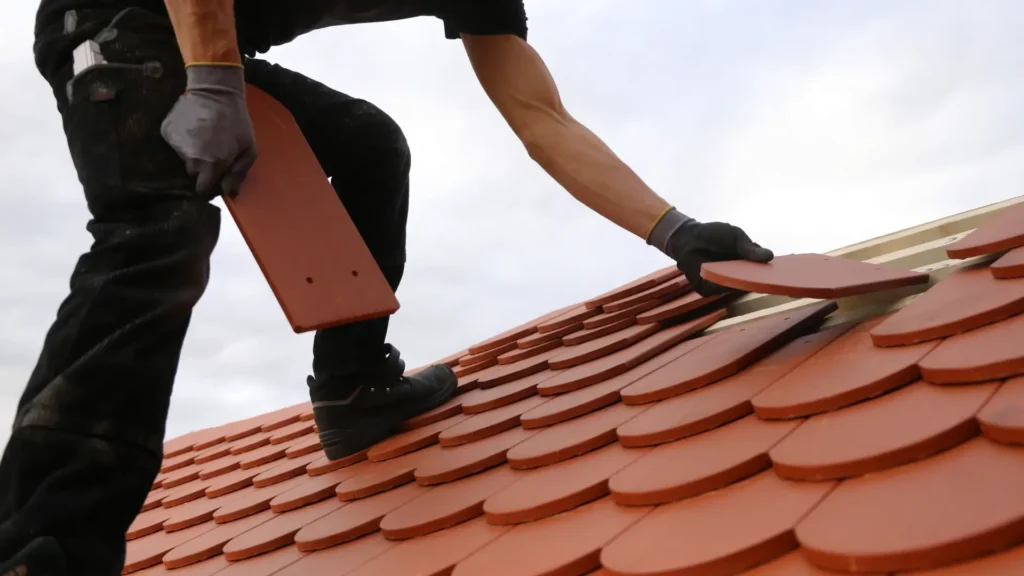
Maintenance Tips For Roof Tiles In Coastal Areas
Living near the coast offers incredible views and fresh sea air, but it also places extra stress on your roof. Salt spray, higher moisture levels, strong winds, and frequent weather changes can all accelerate wear on roof tiles if they are not properly maintained. Regular care helps extend the lifespan of your roof, prevents costly repairs, and ensures your home stays protected year-round.
Cleaning Frequency
Keeping roof tiles clean is one of the simplest and most effective ways to protect them in coastal environments. Salt residue, dirt, and organic debris tend to build up faster near the sea and can gradually break down roofing materials if left unchecked.
- Recommended schedule: Roof tiles should generally be cleaned every 12 to 24 months in coastal areas, depending on exposure and surrounding vegetation.
- Why it matters: Regular cleaning prevents salt buildup, reduces moisture retention, and helps you spot early signs of damage before they become serious issues.
- Best approach: Gentle washing methods are usually preferred to avoid damaging tile surfaces, especially for concrete and clay tiles.
Moss And Lichen Prevention
Moss and lichen thrive in damp, coastal conditions and can quickly spread across roof tiles if not managed early. While they may seem harmless at first, they can trap moisture and cause tiles to deteriorate over time.
- Early removal: Address small patches as soon as they appear to stop them from spreading.
- Preventative treatments: Applying approved anti-moss treatments can slow regrowth and reduce ongoing maintenance.
- Ongoing checks: Homes shaded by trees or exposed to frequent moisture should be monitored more closely, as these conditions encourage faster growth.
Coating And Sealing
Protective coatings and sealants can significantly improve how roof tiles perform in coastal areas, especially where salt air and wind-driven rain are common.
- Purpose: Coatings help seal porous surfaces, reduce moisture absorption, and improve resistance to salt corrosion.
- Best timing: Recoating is often recommended once tiles show signs of wear, fading, or increased water absorption rather than waiting for visible damage.
- Professional application: Proper preparation and correct product choice are essential, making professional assessment important before applying any coating or sealant.
When To Inspect After Storms
Storms are a regular part of coastal living, and even strong tiles can shift or crack under extreme wind and rain conditions. Post-storm inspections help catch problems early and prevent small issues from turning into leaks.
- After severe weather: Roof inspections should be carried out after heavy storms, strong winds, or prolonged rainfall.
- What to look for: Dislodged tiles, visible cracks, blocked drainage points, and signs of water ingress inside the home.
- Safety first: Visual checks from the ground are a good starting point, but professional inspections are recommended if damage is suspected.
Maintaining roof tiles in coastal areas requires a proactive approach, but the effort pays off in long-term durability and peace of mind. By staying on top of cleaning, preventing moss growth, protecting tiles with coatings, and inspecting after storms, homeowners can significantly extend the life of their roof while avoiding unexpected repair costs.
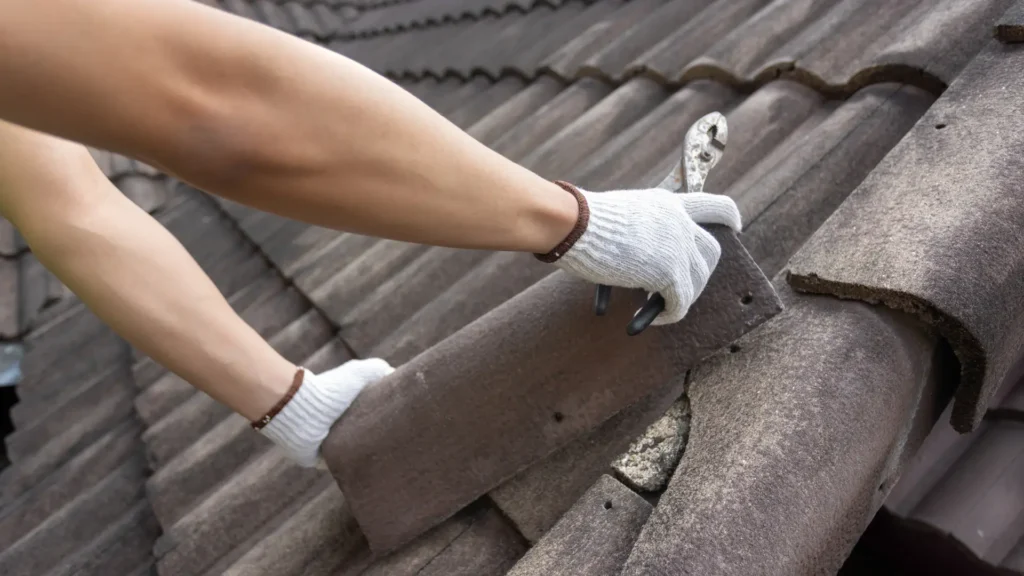
Cost Of Roof Tiles In Kapiti – What To Expect
Understanding the cost of roof tiles in Kapiti is an important part of planning a new roof or reroofing project. While exact prices can vary widely from one home to another, knowing the typical cost ranges and what influences them can help you set realistic expectations and avoid surprises as you move forward.
Typical Cost Ranges By Roof Tile Type
Roof tile costs in Kapiti generally depend on the material you choose, along with installation requirements. While prices can change based on suppliers and market conditions, most homeowners can expect broad ranges rather than fixed figures.
- Concrete Roof Tiles: Often one of the more budget-friendly options, concrete tiles usually sit at the lower to mid end of the pricing range and offer solid durability for Kapiti homes.
- Clay Roof Tiles: Clay tiles tend to cost more upfront due to their manufacturing process and longevity, but they are valued for their appearance and coastal resistance.
- Metal Roof Tiles: These typically fall in the mid range and can offer savings on installation due to their lighter weight and faster fitting.
- Slate Roof Tiles: Slate is usually at the higher end of the cost spectrum, reflecting its premium look, specialist installation, and long lifespan.
- Composite Or Synthetic Tiles: Pricing varies by brand, but these often sit between concrete and clay, offering a balance of performance and cost.
These ranges are intended as a general guide only, as every roofing project in Kapiti is unique.
Factors That Affect The Cost Of Roof Tiles
Several practical factors play a major role in determining the final cost of roof tiles for a Kapiti property. Understanding these can help explain why quotes may differ between homes, even when using the same material.
- Roof Size: Larger roofs require more materials and labour, which naturally increases overall cost.
- Roof Pitch: Steeper roofs are more complex and time-consuming to work on, often leading to higher installation costs.
- Access: Limited site access, multi-storey homes, or restricted working space can increase labour time and equipment needs.
- Material Choice: Different tile types vary in price, weight, and installation complexity, all of which influence the final cost.
Each of these factors is usually assessed during a site inspection to provide an accurate estimate.
Long-Term Value Versus Upfront Cost
When comparing roof tile options, it is important to look beyond the initial price alone. Some lower-cost tiles may require more maintenance or have a shorter lifespan, while higher-priced materials can deliver better long-term value through durability, reduced upkeep, and stronger performance in Kapiti’s coastal conditions.
For many homeowners, the best choice is the one that balances upfront affordability with long-term reliability. Investing in a roof tile that suits your environment, home structure, and maintenance expectations can often save money and stress over time.
Choosing roof tiles is not just a financial decision but a long-term investment in your home. By understanding typical costs and what influences them, Kapiti homeowners can make more confident choices and move forward knowing they have selected an option that fits both their budget and their home’s needs.
If you’re still unsure which roof tile option is right for your Kapiti home, you don’t have to figure it out alone. Our team understands local conditions, council requirements, and what actually performs best in Kapiti’s coastal environment—not just on paper, but in real homes.
References
- Different Types of Roof Tiles | Material & Style Guide
https://roofingadvice.net/different-types-of-roof-tiles/ (Roofing Advice) - Ultimate Guide To Different Types Of Roof Tiles NZ
https://builderconnect.co.nz/blog/different-types-of-roof-tiles-nz/ (Builder Connect NZ) - Roof Tiles Guide: Types, Costs & Selection Tips 2025
https://a1solarstore.com/blog/roof-tiles-types-your-complete-guide-to-materials-costs-and-selection.html (A1 SolarStore) - Types Of Roof Tiles: Clay, Concrete, & Metal Guide
https://thehousemag.com/clay-concrete-metal-roof-tiles/ (The House Mag) - Roof Tile Types: Clay, Concrete, Slate And Metal Options
https://roofquotes.com/blog/roof-tiles-types-choosing-the-best-for-your-home (roofquotes.com)
FAQs: Types Of Roof Tiles In Kapiti
What types of roof tiles are most commonly used in Kapiti?
The most common roof tiles in Kapiti include concrete tiles, clay tiles, metal roof tiles, slate tiles, and composite or synthetic tiles, each suited to different budgets and home styles.
Which roof tiles are best for Kapiti’s coastal climate?
Clay, metal with coastal-grade coatings, and high-quality composite tiles tend to perform best in Kapiti due to their resistance to salt air, moisture, and strong winds.
Are concrete roof tiles suitable for homes in Kapiti?
Yes, concrete roof tiles are widely used in Kapiti because they are durable and cost-effective, but they do require proper maintenance to handle coastal exposure.
Do metal roof tiles rust near the coast?
Modern metal roof tiles are designed with protective coatings that resist corrosion, making them a reliable option for coastal areas like Kapiti when properly installed.
How long do different roof tile types last?
Concrete tiles typically last 40–50 years, clay and slate tiles can last 70 years or more, while metal and composite tiles usually last 30–50 years depending on maintenance and exposure.
What is the most affordable roof tile option in Kapiti?
Concrete roof tiles and metal roof tiles are generally the most affordable options upfront, though long-term maintenance costs should also be considered.
Are roof tiles heavy, and does my home need extra support?
Some roof tiles, such as concrete and slate, are heavier and may require structural assessment before installation, especially during reroofing projects.
How often should roof tiles be maintained in Kapiti?
In coastal areas like Kapiti, roof tiles should be inspected every 1–2 years and cleaned as needed to prevent moss, lichen, and salt buildup.
Can I change the type of roof tiles when reroofing my Kapiti home?
Yes, but changing roof tile types may require structural checks, council approval, and professional advice to ensure compliance and long-term performance.
How do I choose the right roof tiles for my Kapiti home?
The right choice depends on your budget, home style, roof structure, maintenance preferences, and how exposed your property is to coastal conditions, making local expert advice highly valuable.
Conclusion
Choosing the best roof tiles for your Kapiti home ultimately comes down to balancing durability, appearance, budget, and how well the material performs in a coastal environment, and the good news is that there is no single “right” answer for every homeowner. Concrete, clay, metal, slate, and composite roof tiles all have strengths, and understanding how each option handles Kapiti’s wind, moisture, and salt air puts you in a much stronger position to make a confident decision. Taking the time to research your options, consider long-term maintenance, and think beyond upfront cost can help you avoid unnecessary repairs and ensure your roof protects your home for decades to come. If you are still unsure which roofing material best suits your property, speaking with a local professional can make the process far simpler, as they understand Kapiti conditions, building requirements, and what works best in real homes. For tailored advice and peace of mind, talk to a Kapiti roofing specialist to assess what works best for your home and your long-term needs.