Welcome to your complete, no-nonsense guide to understanding roofing cost per square meter in Kapiti, created specifically for homeowners who want clear, realistic pricing without the sales fluff. If you’re planning a roof replacement, new build, or simply budgeting for future repairs, you’ve probably noticed that roofing prices can vary wildly—and that’s even more true on the Kapiti Coast, where coastal conditions, wind exposure, and material choice play a major role in overall cost. In this guide, we break down what you can realistically expect to pay per square meter, explain why prices differ between materials and properties, and walk you through the factors that influence roofing costs in Kapiti, so you can make informed decisions with confidence rather than guesswork. Whether you’re comparing metal roofing, tiles, or Colorsteel, or just want to understand what goes into a roofing quote, this article is designed to give you practical clarity before you speak to a roofer.
Roofing cost per square meter in Kapiti typically ranges from $80 to $200+ per m², depending on the roofing material, roof complexity, labour costs, and coastal exposure. Metal and Colorsteel roofing tend to sit at the lower to mid range, while concrete or clay tiles usually cost more due to additional labour and structural requirements. Final pricing can increase based on roof pitch, access, removal of the existing roof, and compliance with Kapiti Coast building standards.
Table of Contents
What Is The Average Roofing Cost Per Square Meter In Kapiti?
Understanding the average roofing cost per square meter in Kapiti helps homeowners set realistic expectations before requesting quotes or committing to a roofing project. While prices vary depending on materials, labour, and site conditions, most residential roofing projects on the Kapiti Coast fall within well-established cost ranges when calculated on an installed basis.
Typical Roofing Cost Ranges (Per m²)
Roofing costs in Kapiti are usually quoted per square meter and typically include materials, labour, fixings, and standard installation. The ranges below reflect common pricing for residential properties, though final costs will always depend on the specifics of each project.
- Entry-Level Materials:
Entry-level roofing options, such as basic longrun metal roofing, generally cost between $80 and $120 per square meter installed. These materials are often chosen for their affordability and suitability for simple roof designs. They can perform well in Kapiti conditions when correctly installed, although protective coatings and maintenance are important in coastal environments. - Mid-Range Materials:
Mid-range roofing materials, including higher-grade metal roofing systems and standard Colorsteel products, typically range from $120 to $170 per square meter installed. This category is popular with Kapiti homeowners because it offers improved durability, better corrosion resistance, and longer service life while remaining cost-effective. - Premium Materials:
Premium roofing materials such as concrete tiles, clay tiles, and specialised architectural roofing systems usually start at around $170 per square meter and can exceed $200 per square meter installed. These options often involve higher labour costs due to added weight, installation complexity, or structural requirements, making them a higher upfront investment.
These price ranges are intended as a general guide only. Roofing cost per square meter in Kapiti can increase due to factors such as roof pitch, access limitations, removal of existing roofing, scaffolding needs, and compliance with local building standards. Because of this, all figures should be treated as estimates rather than fixed prices.
Roofing Costs By Material Type (Kapiti-Specific)
Choosing the right roofing material on the Kapiti Coast is not just about price. Coastal exposure, strong winds, and long-term durability all influence which option makes the most sense for local homeowners. Below is a Kapiti-specific breakdown of common roofing materials, focusing on realistic costs and the practical reasons people choose each one.
Longrun Metal Roofing
Longrun metal roofing is one of the most commonly used roofing materials in Kapiti because it offers a reliable balance between affordability and performance in coastal conditions.
- Cost per square meter: Longrun metal roofing in Kapiti typically ranges from $80 to $130 per square meter installed, depending on the profile, coating, and roof complexity.
- Pros: Homeowners often choose longrun metal roofing for its lightweight structure, fast installation, and strong performance in high-wind areas. It is also less likely to crack or shift over time compared to heavier roofing materials.
- Cons: Without proper insulation, rain noise can be noticeable. Quality underlay and ceiling insulation are important to improve comfort and reduce sound.
- Ideal for Kapiti’s coastal conditions?: Yes. When the correct coastal-grade coatings and fixings are used, longrun metal roofing performs well against salt air and wind exposure common in Kapiti.
Concrete Roof Tiles
Concrete roof tiles are popular on many established Kapiti homes, especially where strength and a traditional appearance are valued.
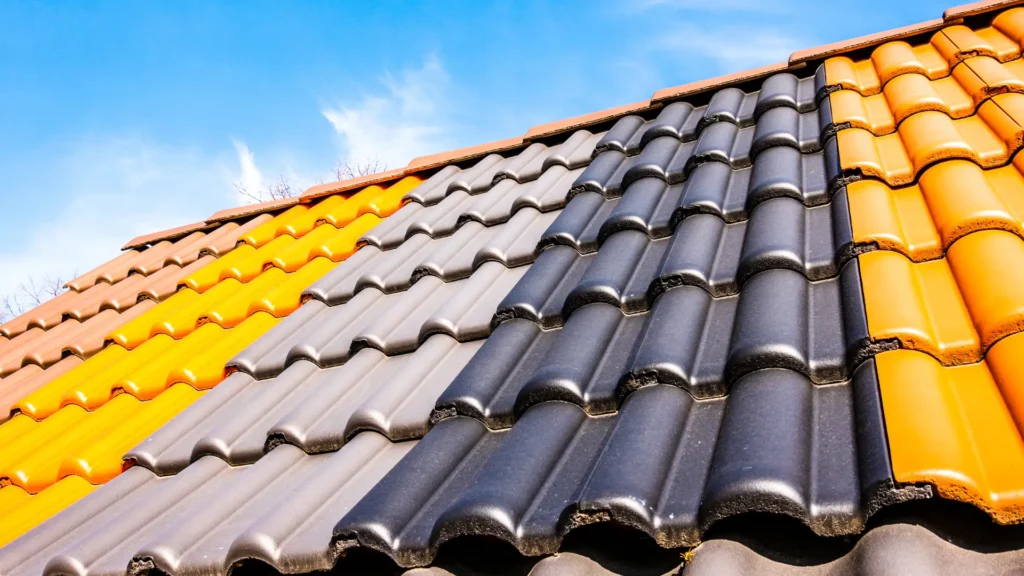
- Cost per square meter: Concrete tiles generally cost between $120 and $180 per square meter installed, with pricing influenced by roof access and structural requirements.
- Weight considerations: Concrete tiles are heavy, which means the roof framing must be capable of supporting the load. Some homes may require structural upgrades before installation.
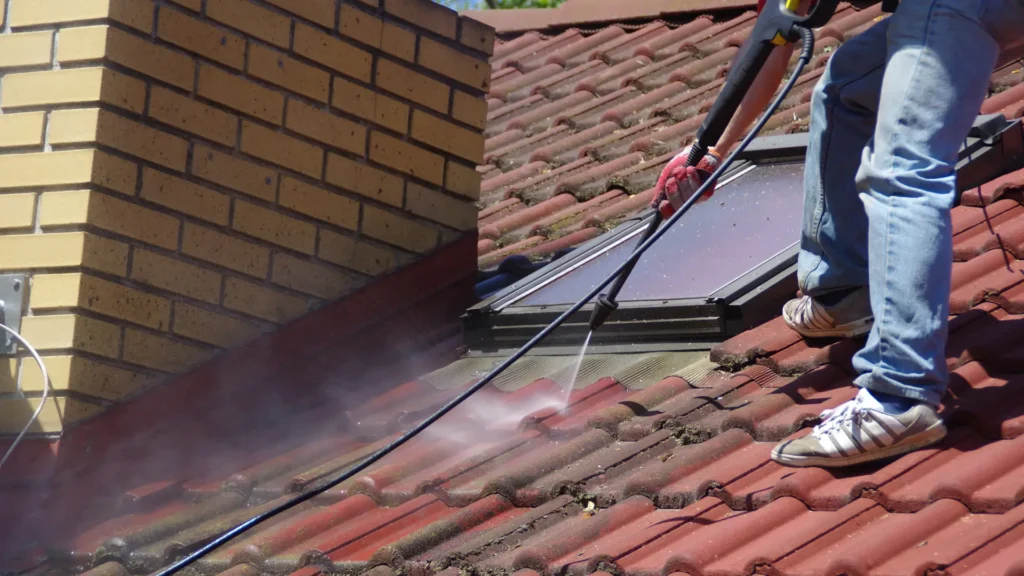
- Maintenance requirements in coastal areas: In coastal environments, concrete tiles can require regular cleaning and inspections to manage moss growth, surface wear, and salt exposure.
Clay Roof Tiles
Clay roof tiles are often selected for their timeless appearance and long lifespan, making them appealing for premium homes and long-term property investments.
- Cost per square meter: Clay tiles typically range from $150 to $200 or more per square meter installed, reflecting their premium nature and installation complexity.
- Longevity vs upfront cost: While clay tiles come with a higher initial cost, they can last for several decades when properly maintained, which can offset the upfront expense over time.
- Structural requirements: Clay tiles are heavy and often require reinforced roof structures, which can increase overall project costs for existing homes.
Asphalt Shingles
Asphalt shingles are less common in Kapiti but may be chosen for specific design preferences or renovation projects.
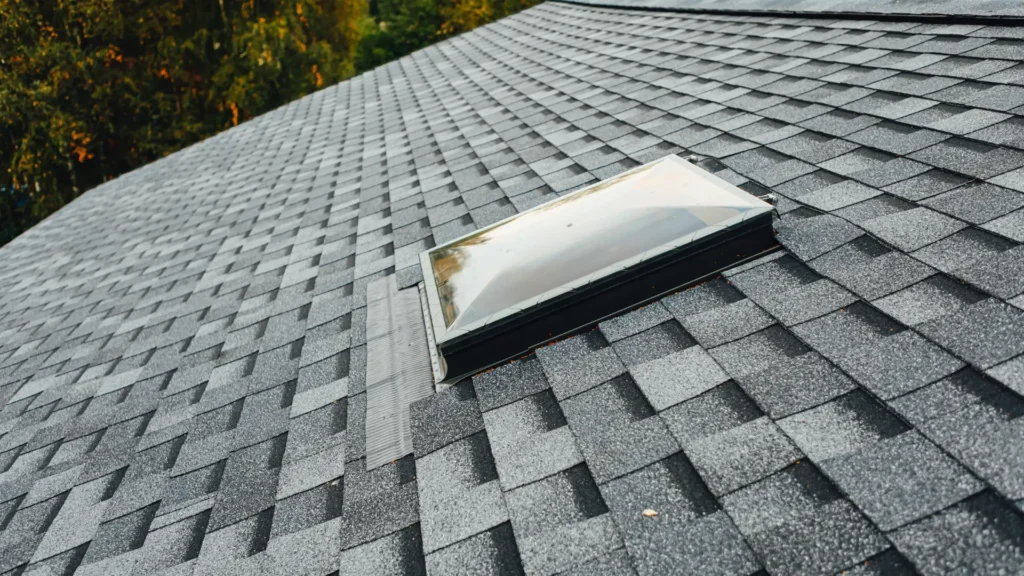
- Cost per square meter: Asphalt shingles usually cost between $90 and $140 per square meter installed, depending on product quality and supplier availability.
- Availability in NZ: While available in New Zealand, asphalt shingles are not as widely used as metal or tile roofing, which may limit colour and style options.
- Weather performance considerations: Asphalt shingles can perform adequately in moderate conditions, but strong winds and coastal exposure may reduce their lifespan compared to metal roofing.
Colorsteel Roofing (Popular in Kapiti)
Colorsteel roofing is one of the most recommended options for Kapiti Coast homes due to its durability, modern appearance, and suitability for coastal conditions.
- Cost per square meter: Colorsteel roofing typically ranges from $90 to $160 per square meter installed, depending on the product range and roof design.
- Corrosion resistance: Coastal-grade Colorsteel products include protective coatings designed to resist corrosion caused by salt air and moisture.
- Why it’s commonly recommended near the coast: Many Kapiti homeowners choose Colorsteel because it offers low maintenance, strong weather resistance, and long-term reliability when installed to coastal specifications.
When comparing roofing costs per square meter in Kapiti, it is important to look beyond price alone. Each roofing material offers different benefits depending on durability, maintenance needs, and coastal performance. Understanding why local homeowners choose specific materials can help you select a roofing solution that suits both your property and the unique conditions of the Kapiti Coast.
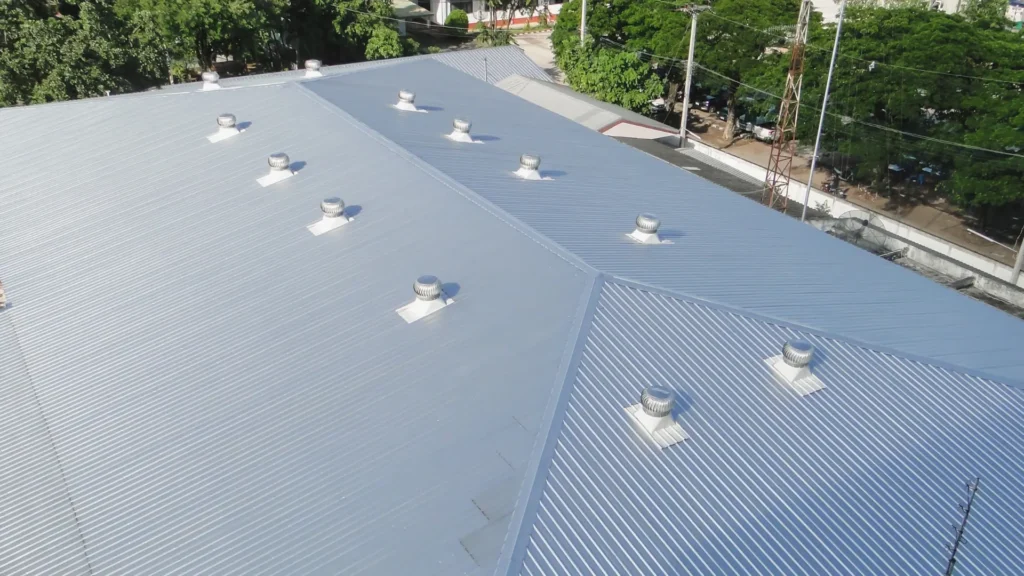
What Factors Affect Roofing Cost Per Square Meter In Kapiti?
Understanding what goes into roofing costs helps homeowners avoid surprises and make informed decisions before requesting quotes. In Kapiti, roofing prices per square meter are influenced by a mix of structural, environmental, and regulatory factors. Below is a clear breakdown of the most important elements that can push costs up or down, explained in plain language and based on real-world roofing practices.
Roof Size And Complexity
Roof size alone does not determine the final cost per square meter. The overall design and complexity of the roof play a major role in pricing, especially when labour time and safety requirements increase.
- Simple vs complex rooflines:
Simple gable or skillion roofs are generally faster and more cost-effective to install. Complex rooflines with multiple valleys, hips, dormers, or intersecting sections require more cutting, flashing, and detailing, which increases labour time and material waste. - Pitch and accessibility:
Steeper roofs are more difficult and time-consuming to work on, often requiring additional safety measures such as scaffolding or harness systems. Limited access around the home can also increase setup time, which affects the cost per square meter.
Existing Roof Condition
The condition of your current roof has a direct impact on whether your project is straightforward or more involved.
- Re-roof vs new roof:
A re-roof using the same materials and structure is usually more affordable per square meter. A new roof or a change in roofing material may require structural checks, upgrades, or consent, which can add to the total cost. - Removal and disposal costs:
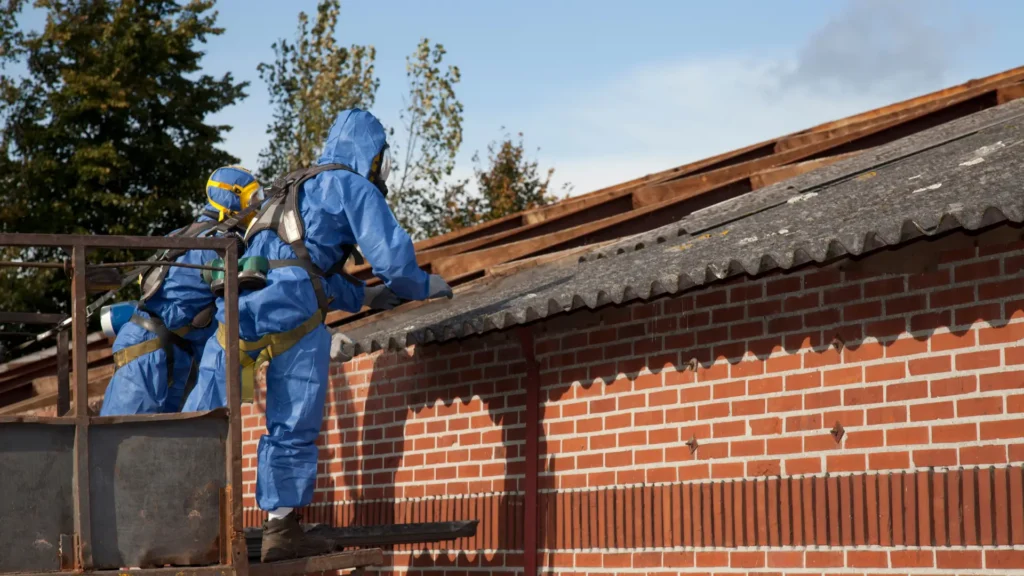
Removing old roofing materials, especially tiles or asbestos-containing products, adds labour and disposal fees. These costs are often included in the per square meter price but can vary depending on material type and site conditions.
Labour Costs On The Kapiti Coast
Labour is a significant portion of roofing costs, and pricing in Kapiti reflects both demand and skill requirements.
- Local trades availability:
During busy building periods, limited availability of qualified roofers can increase labour rates. Weather delays common in coastal areas can also affect scheduling and pricing. - Skill level required for certain materials:
Specialist materials such as Colorsteel, standing seam metal roofing, or tile systems require experienced installers. Higher skill levels reduce long-term risk but may increase the upfront cost per square meter.
Coastal Environment Considerations
Kapiti’s coastal location introduces unique challenges that directly influence roofing costs and material selection.
- Salt air corrosion:
Salt-laden air accelerates corrosion, particularly on fixings and lower-grade materials. Roofing systems designed for coastal environments often cost more per square meter but provide better longevity and lower maintenance. - Wind ratings:
Kapiti is known for strong winds, which means roofing systems must meet higher wind load requirements. This can involve additional fixings, upgraded underlay, or specific installation methods that increase cost. - Material warranties and compliance:
Many manufacturers offer different warranty levels based on distance from the coast. Choosing compliant materials ensures warranty coverage but may increase the initial price.
Council Consents And Compliance
Regulatory requirements can also affect both cost and project timelines.
- When consent is required:
Re-roofing with the same materials often does not require consent, but changing roofing materials, roof pitch, or structure may trigger council approval requirements. - How it impacts cost and timeline:
Consent applications involve fees, documentation, and inspections, which can increase overall project costs and extend timelines. These factors are often reflected in the final cost per square meter.
Roofing costs per square meter in Kapiti are shaped by more than just material choice. Roof design, site conditions, labour expertise, coastal exposure, and compliance requirements all contribute to the final price. By understanding these factors upfront, homeowners are better prepared to evaluate quotes, ask the right questions, and choose a roofing solution that offers long-term value rather than short-term savings.
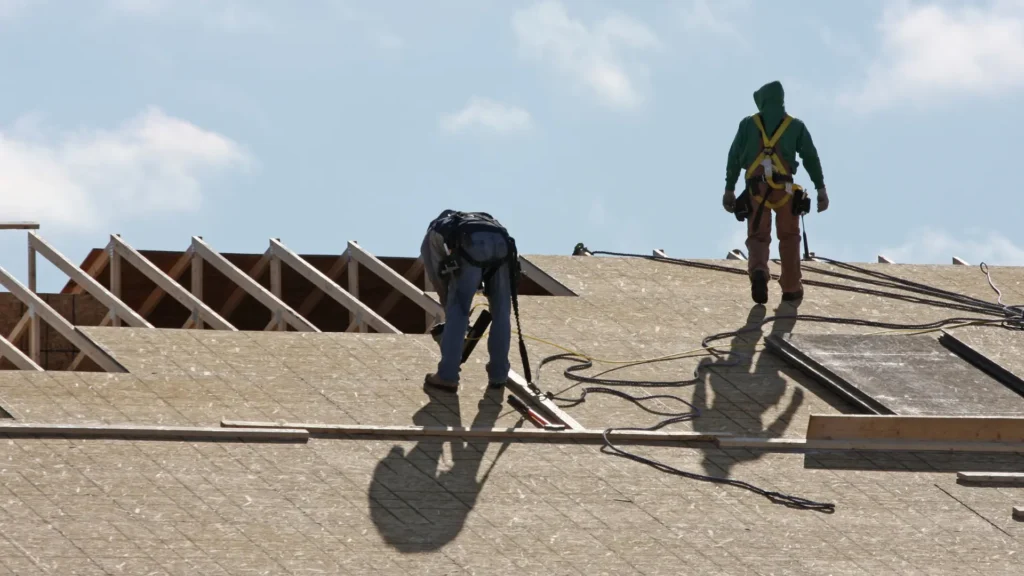
Roofing Cost Breakdown: Where Your Money Actually Goes
When homeowners look at a roofing quote, the total price can feel overwhelming without context. Understanding exactly where your money goes helps set realistic expectations and builds trust in the process. Roofing costs in Kapiti are not just about materials alone. They reflect labour, safety requirements, and the practical realities of working on your specific property, especially in a coastal environment.
Typical Roofing Cost Breakdown (By Percentage)
While every project is different, most roofing jobs on the Kapiti Coast follow a similar cost structure. Below is a general breakdown to help you understand how roofing costs are usually allocated.
- Materials: Around 40 to 50 percent
This includes the roofing material itself such as metal, Colorsteel, concrete tiles, or clay tiles, along with underlay, insulation layers if required, and protective coatings. Coastal-grade materials often cost more due to corrosion resistance and durability requirements. - Labour: Around 25 to 35 percent
Labour covers the skilled work involved in removing the old roof, installing the new one, and ensuring everything is weather-tight and compliant. Roof complexity, pitch, and access can significantly influence labour costs. - Old Roof Removal: Around 5 to 10 percent
Removing and disposing of the existing roof adds cost, especially if there are multiple layers, damaged materials, or asbestos-related precautions that require specialised handling. - Scaffolding: Around 5 to 10 percent
Scaffolding is often required for safety and access, particularly for multi-storey homes or steep roofs. This is a necessary cost to protect workers and your property during installation. - Flashings, Fixings, And Underlay: Around 5 to 8 percent
These components may seem minor, but they are critical for preventing leaks and extending the lifespan of your roof. High-quality fixings and flashings are especially important in Kapiti’s windy and coastal conditions. - Compliance And Safety Costs: Around 3 to 7 percent
This covers health and safety requirements, site protection, waste management, and ensuring the work meets New Zealand Building Code standards. In some cases, it may also include council-related compliance costs.
Why This Breakdown Matters
Seeing roofing costs broken down helps explain why cheaper quotes are not always better. If one area is underpriced, it often means corners are being cut, which can lead to leaks, reduced lifespan, or costly repairs later. A transparent breakdown shows that the roofer has considered all aspects of the job, not just the visible materials.
In the end, understanding where your roofing budget goes allows you to compare quotes more confidently and make informed decisions. When you know what you are paying for, you are far more likely to invest in a roof that performs well, lasts longer, and truly suits your Kapiti home.
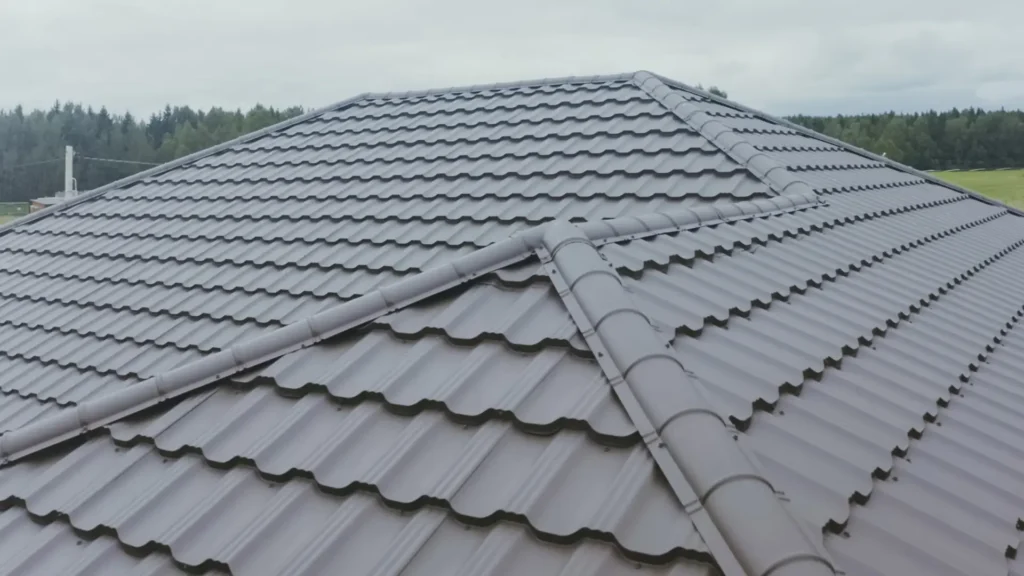
How Much Does A Full Roof Replacement Cost In Kapiti?
Understanding the total cost of a full roof replacement is often the most important step for Kapiti homeowners planning ahead. While price per square meter provides a useful benchmark, most people want to know what the final project cost might look like for a real home. In Kapiti, full roof replacement costs can vary significantly depending on roof size, material choice, design complexity, and site conditions, especially given the coastal environment.
Example Cost Scenarios
Below are realistic cost scenarios to help translate per-square-meter pricing into practical, real-world estimates. These figures are intended as guidance only, as every roof has its own requirements.
Small Single-Storey Home
A small single-storey home typically has a roof size of around 100 to 130 square meters, often with a simpler roof design and easier access. These homes are usually quicker to complete and require less scaffolding and labour.
- Estimated Total Cost: $10,000 to $18,000
- Cost Per m² Translated: Approximately $90 to $140 per square meter, depending on materials and roof condition
Homes in this category often suit longrun metal or Colorsteel roofing, which helps keep costs manageable while still performing well in Kapiti’s coastal climate.
Standard Family Home
A standard family home generally has a roof size between 140 and 200 square meters and may include moderate roof pitch, valleys, or additional penetrations such as skylights or chimneys. These factors add time and labour to the project.
- Estimated Total Cost: $18,000 to $30,000
- Cost Per m² Translated: Roughly $110 to $170 per square meter
This range reflects the most common full roof replacement projects in Kapiti, particularly for homeowners upgrading to corrosion-resistant roofing materials.
Larger Or Complex Roof
Larger homes or roofs with complex designs often exceed 200 square meters and include multiple levels, steep pitches, or intricate detailing. These projects typically require more scaffolding, longer installation times, and higher-skilled labour.
- Estimated Total Cost: $30,000 to $45,000 or more
- Cost Per m² Translated: Around $150 to $220+ per square meter
Premium roofing materials, structural adjustments, and challenging access conditions can increase costs further in this category.
Why Costs Vary Between Homes
Even homes with similar roof sizes can end up with very different replacement costs. Factors such as roof pitch, ease of access, removal of existing materials, and compliance requirements all play a role. In Kapiti, coastal exposure may also require additional protective measures, which can influence overall pricing.
A full roof replacement in Kapiti is a major investment, but understanding how per-square-meter pricing translates into total project costs helps remove uncertainty. With realistic cost expectations and a clear understanding of your home’s requirements, you will be better prepared to discuss options and make confident decisions when working with local roofing professionals.
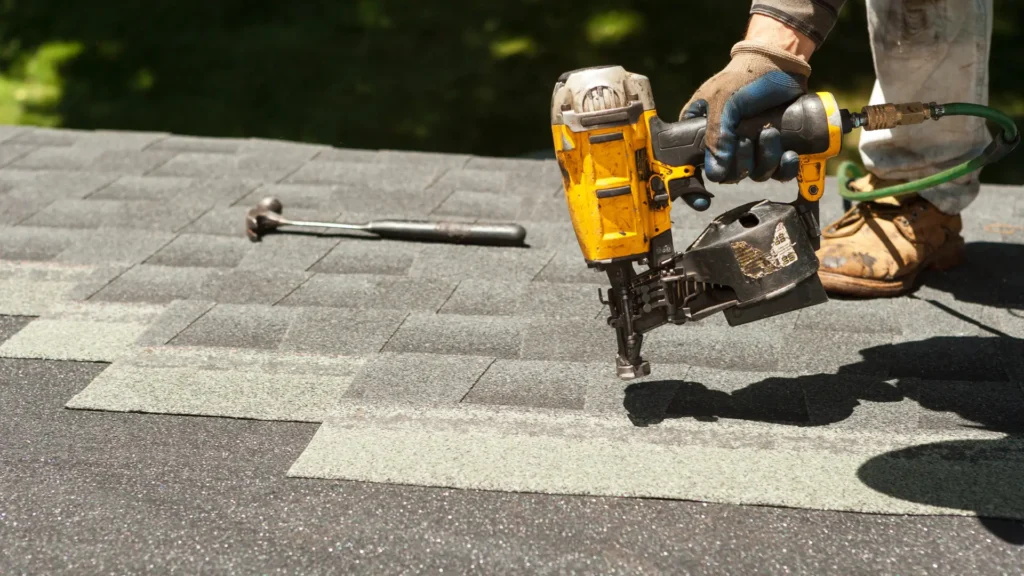
Is Cheaper Roofing Always Better? What To Watch Out For
Choosing the lowest roofing quote can feel like a smart financial move, especially when you are comparing prices per square meter in Kapiti. However, cheaper roofing is not always better, and in many cases, it can lead to higher costs over time. Understanding what sits behind an unusually low price helps protect your home, your budget, and your peace of mind.
The Risks Of Ultra-Low Roofing Quotes
A quote that is significantly lower than others often signals that something important has been left out. Roofing is a system, not just sheets or tiles, and cutting costs in the wrong areas can create serious problems later.
- Incomplete Scope: Some low quotes exclude essential items such as underlay, flashings, fixings, or scaffolding, which are added later as “extras.”
- Lower-Grade Materials: Cheaper materials may not be designed for Kapiti’s coastal conditions, increasing the risk of corrosion and early failure.
- Minimal Labour Time: Rushing installation to keep costs down can result in poor workmanship and missed details.
These risks often do not show up immediately, but they can surface months or years later in the form of leaks, rust, or structural damage.
Shortcuts That Lead To Long-Term Roofing Problems
When roofers are forced to work within an unrealistically low budget, shortcuts become more likely. These shortcuts can significantly shorten the lifespan of your roof.
- Skipping Proper Preparation: Failing to repair or replace damaged battens and substrate can compromise the entire roofing system.
- Incorrect Fixings: Using the wrong screws or fasteners, especially near the coast, can lead to corrosion and roof movement.
- Poor Detailing: Inadequate flashing around chimneys, valleys, and edges is one of the most common causes of leaks.
While these shortcuts reduce upfront costs, they often result in expensive repairs that outweigh any initial savings.
Warranty Red Flags Homeowners Should Notice
A strong roofing warranty is a sign of confidence in both materials and workmanship. Cheaper roofing quotes sometimes come with warranties that look good on paper but offer little real protection.
- Limited Workmanship Cover: Some warranties only cover materials, leaving you unprotected if the installation fails.
- Short Warranty Periods: A very short workmanship warranty can indicate lower installation standards.
- Unclear Terms: Vague warranty language may make it difficult to claim if issues arise.
Always ask who stands behind the warranty and what is required to keep it valid, especially in a coastal environment like Kapiti.
Insurance Implications Of Low-Cost Roofing
Roofing choices can affect your insurance coverage more than many homeowners realise. Insurers expect roofs to meet building code requirements and be installed by qualified professionals.
- Non-Compliant Work: If a roof does not meet code or consent requirements, insurance claims may be reduced or declined.
- Unapproved Materials: Using materials not suited for coastal zones can raise concerns during a claim.
- Lack of Documentation: Missing invoices, warranties, or compliance certificates can complicate insurance assessments.
Paying slightly more for compliant, well-documented roofing work can protect you financially if you ever need to make a claim.
Why Comparing Roofing Quotes Requires More Than Price
Rather than focusing only on cost per square meter, homeowners should compare roofing quotes based on value, transparency, and long-term performance. A trustworthy roofer will clearly explain what is included, why certain materials are recommended, and how the roof will perform in Kapiti conditions.
Cheaper roofing can sometimes make sense, but only when the scope, materials, and workmanship meet proper standards. By understanding the risks behind ultra-low quotes, you can choose a roofing solution that delivers real value, durability, and confidence for your Kapiti home.
How To Get An Accurate Roofing Quote In Kapiti
Getting an accurate roofing quote in Kapiti is not just about asking for a price. It is about providing the right information upfront and knowing how to assess what is included in the quote. Coastal conditions, wind exposure, and material requirements all influence roofing costs in this area, which means accuracy matters from the very beginning. Taking a practical, informed approach helps ensure your quote reflects the true scope of work and reduces the risk of unexpected costs later.
What Information Roofers Need
Roofers rely on specific details to prepare a realistic and reliable quote. The more accurate the information you provide, the more accurate your pricing will be.
- Roof Size:
Roof size, measured in square meters, directly affects material quantities, labour time, and overall cost. Larger or more complex roof shapes typically increase the price due to additional installation work. - Material Preference:
Different roofing materials come with different price points, lifespans, and installation requirements. Letting the roofer know whether you are considering longrun metal, Colorsteel, or roof tiles helps them provide pricing that suits Kapiti’s coastal environment. - Access Issues:
Difficult access, steep roof pitches, multi-level homes, or the need for scaffolding can add to labour and safety costs. Clear information about access allows these factors to be priced accurately from the outset. - Timeline:
Your preferred start and completion dates can influence availability and cost. Projects with tight deadlines or seasonal demand may require scheduling adjustments that affect pricing.
Questions To Ask Before Accepting A Quote
Before committing to a roofing quote, it is important to understand exactly what you are paying for and whether the work meets local standards.
- Experience With Coastal Roofing:
Ask if the roofer has experience installing roofs in coastal areas like Kapiti. Coastal exposure requires specific materials and installation methods to ensure long-term durability. - Warranty Coverage:
A trustworthy quote should clearly outline warranties for both materials and workmanship. Knowing what is covered and for how long helps protect your investment. - Compliance With NZ Building Code:
Confirm that the roofing work will comply with the New Zealand Building Code and any relevant council requirements. This is essential for safety, insurance, and future property value.
Taking the time to gather accurate information and ask the right questions helps you choose a roofing quote with confidence. A well-prepared quote not only reflects fair pricing but also sets the foundation for a roofing project that meets Kapiti conditions and delivers long-term peace of mind.
How To Reduce Roofing Costs Without Cutting Corners
Reducing roofing costs does not mean settling for poor workmanship or low quality materials. With careful planning and informed decisions, Kapiti homeowners can manage roofing cost per square meter while still investing in a roof that performs well in local coastal conditions.
Choosing The Right Material For Longevity
Selecting the right roofing material is one of the most important ways to control long term costs. While cheaper options may reduce upfront spending, they often lead to higher repair and replacement expenses over time.
- Material choice: Longrun metal and Colorsteel roofing are widely used in Kapiti because they offer strong durability, good wind resistance, and reliable performance in salty coastal air.
- Long term value: Roofing materials with proven lifespans and manufacturer warranties reduce the likelihood of early failure and unexpected repair costs.
- Structural suitability: Choosing materials that match your existing roof structure avoids the need for expensive reinforcements or upgrades.
Investing in a material designed to last can significantly lower the total cost of ownership over the life of your roof.
Timing Your Project
When your roofing project is scheduled can influence labour availability, efficiency, and overall pricing. Planning ahead gives you more flexibility and control over costs.
- Off peak scheduling: Roofing work booked outside high demand periods can sometimes be completed more efficiently and at more competitive rates.
- Weather planning: Scheduling work during stable weather reduces delays, helping to keep labour hours and associated costs in check.
- Early planning: Avoiding urgent repairs or last minute projects helps prevent higher costs linked to emergency roofing services.
Proper timing allows roofers to work safely and efficiently, which often leads to better outcomes and fewer unexpected expenses.
Maintenance Tips To Extend Roof Life
Ongoing maintenance is one of the simplest and most effective ways to reduce future roofing costs. Small preventative actions can significantly extend the life of your roof.
- Routine inspections: Regular checks help identify loose fixings, early corrosion, or minor leaks before they develop into major issues.
- Gutter cleaning: Keeping gutters clear prevents water overflow that can damage roofing materials and supporting structures.
- Prompt repairs: Fixing minor damage early reduces the risk of widespread deterioration that increases future replacement costs.
A well maintained roof remains functional for longer and delays the need for major investment.
When Partial Replacement Makes Sense
A full roof replacement is not always necessary. In some situations, partial replacement can provide an effective and more affordable solution.
- Localized damage: Damage confined to certain areas, such as sections affected by wind or corrosion, may only require targeted repairs.
- Roof condition assessment: A professional inspection helps determine whether partial replacement will provide long term reliability.
- Budget control: Replacing only the affected sections reduces both material and labour costs while maintaining roof integrity.
Partial replacement works best when guided by experienced local roofers who understand Kapiti’s climate and building requirements.
Planning a roofing project on the Kapiti Coast? Don’t rely on averages or online estimates alone. Every roof is different, and the fastest way to avoid overpaying—or cutting corners—is to get advice tailored to your home. Visit our website today to request a professional roofing assessment and accurate, Kapiti-specific pricing, backed by real experience and local knowledge.
References
- Roofing Cost Per Square Meter In NZ: Full Pricing Guide
https://northlandroofing.nz/roofing-cost-per-square-meter-nz/ (northlandroofing.nz) - Cost To Reroof A House In Kapiti: 2025 Guide
https://builderskapiti.nz/cost-to-reroof-a-house-kapiti/ (builderskapiti.nz) - Ultimate Guide To Roofing Cost Per Square Meter NZ
https://hamiltonroofingservices.co.nz/roofing-cost-per-square-meter-nz/ (Hamilton Roofing Services) - Roofing Cost Per Square Meter In NZ: Full Price Breakdown 2025
https://roofing-whangarei.co.nz/roofing-cost-per-square-meter-nz/ (roofing-whangarei.co.nz) - Ultimate Guide To Roofing Cost Per Square Meter NZ (Builder Connect)
https://builderconnect.co.nz/blog/ultimate-guide-to-roofing-cost-per-square-meter-nz/ (builderconnect.co.nz)
FAQs: About Roofing Cost Per Square Meter In Kapiti
What is the average roofing cost per square meter in Kapiti?
Roofing cost per square meter in Kapiti typically ranges from $80 to $200 or more, depending on the roofing material, labour, roof complexity, and coastal exposure.
Why does roofing cost more in Kapiti compared to other areas?
Kapiti’s coastal environment, strong winds, and salt air often require more durable materials and fixings, which can increase overall roofing costs.
What is the cheapest roofing option per square meter in Kapiti?
Longrun metal roofing is generally the most affordable option per square meter while still offering good durability for Kapiti conditions.
Is Colorsteel roofing worth the cost near the coast?
Yes, Colorsteel is popular in Kapiti because it offers corrosion resistance and performs well in coastal environments when installed correctly.
Do roofing prices per square meter include installation?
Most quoted roofing costs per square meter include both materials and labour, but it’s important to confirm this with your roofer.
What factors can increase roofing cost per square meter?
Roof pitch, limited access, removal of the existing roof, scaffolding, structural upgrades, and council compliance can all increase the final cost.
How much does a full roof replacement cost in Kapiti?
A full roof replacement can range from several thousand dollars to over $30,000, depending on roof size, material choice, and complexity.
Do I need council consent to replace my roof in Kapiti?
In many cases, re-roofing with the same material does not require consent, but changes in material or structure may require council approval.
How long does a roofing project usually take?
Most residential roofing projects in Kapiti take between a few days and two weeks, depending on weather conditions and roof complexity.
How can I get an accurate roofing quote in Kapiti?
The best way is to have a local roofer inspect your property, assess site conditions, and provide a detailed, written quote specific to your home.
Conclusion
Choosing the right roofing option for your Kapiti home is a decision that goes well beyond upfront pricing, because a roof is a long-term investment that protects your property, improves durability, and adds value over time rather than a simple expense to minimise. When you consider factors like Kapiti’s coastal climate, wind exposure, material lifespan, and maintenance requirements, it becomes clear that the cheapest option per square meter is not always the most cost-effective choice in the long run. Taking the time to understand how different materials perform, what your home actually needs, and how installation quality affects longevity will help you make a more informed and confident decision that suits both your budget and your property. If you are unsure which roofing solution is right for your home, speaking with a qualified local roofer can provide clarity, realistic pricing, and guidance tailored specifically to Kapiti conditions, helping you move forward with confidence and peace of mind.