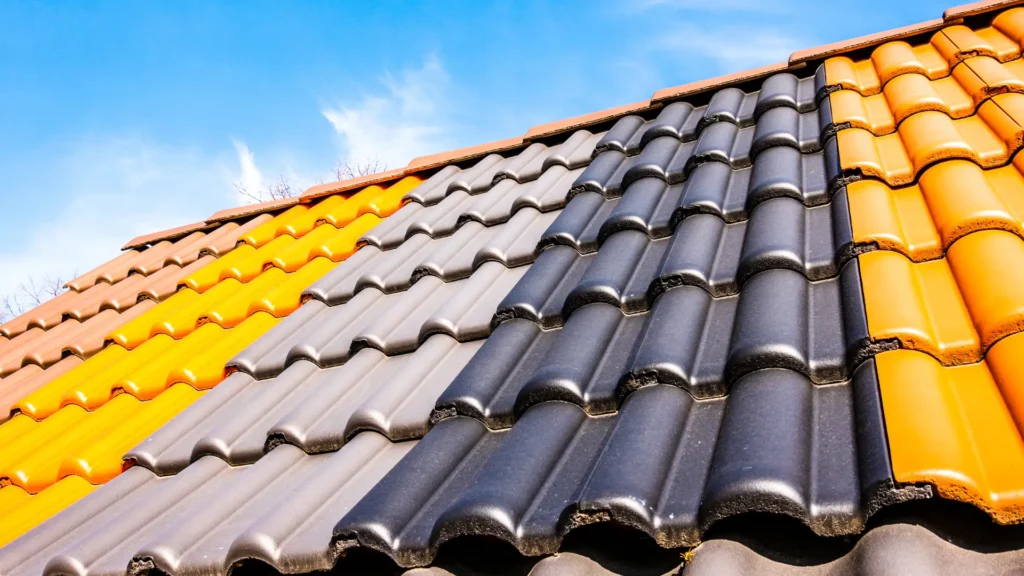
Welcome to your complete guide on roof types in Kapiti, created to help homeowners, landlords, and property owners make confident, informed roofing decisions that actually suit local conditions. Choosing the right roof in Kapiti isn’t just about looks or price—it’s about how well your home can handle coastal winds, salt air, heavy rain, and long-term wear. From modern longrun metal roofing to traditional tiles and flat roofing systems, each option performs differently depending on your location, budget, and maintenance expectations. In this guide, we’ll break down the most common roof types used across the Kapiti Coast, explain their pros and cons in real-world conditions, and help you understand which roofing materials are best suited for your property—without technical jargon or sales pressure. Whether you’re planning a new build, replacing an aging roof, or simply researching your options, this article is designed to give you clear, practical insights you can trust.
The most common roof types in Kapiti include longrun metal roofing, concrete tile roofing, clay tiles, flat membrane roofing, and asphalt shingles. Longrun metal roofs are the most popular due to their durability, wind resistance, and suitability for Kapiti’s coastal climate. Concrete and clay tiles are also used, particularly on older or architectural homes, while flat roofing systems are common on modern builds and extensions.
Table of Contents
Why Roof Type Matters In Kapiti’s Coastal Climate
Choosing the right roof type in Kapiti is not just a design decision. It directly affects how well your home performs in the coastal environment and how much maintenance it will require over time. The Kapiti Coast presents specific challenges that place extra stress on roofing systems, making material choice especially important for long-term durability and protection.
Wind Exposure Along The Kapiti Coast
Strong coastal winds are a defining feature of the Kapiti region, particularly for homes closer to the shoreline or in elevated locations. These winds constantly test the strength and stability of roofing systems.
- Wind resistance: Roofing materials must be designed and installed to handle uplift forces without loosening, lifting, or rattling during high winds.
- Fixing methods: Secure fixing systems and modern installation standards play a major role in preventing wind-related damage.
- Material performance: Lightweight, continuous roofing systems generally perform better under persistent wind pressure.
Homes that are not designed with wind exposure in mind are more likely to experience leaks, movement, and premature wear.
Salt Air Corrosion Risks
Salt carried in the air along the coast is one of the most damaging environmental factors for roofing materials in Kapiti. Even properties that are not directly on the shoreline can be affected over time.
- Corrosion resistance: Salt exposure accelerates rust and surface deterioration, especially on materials without protective coatings.
- Material suitability: Coastal roofing materials must be chosen for their ability to withstand long-term exposure to salt air.
- Maintenance impact: Salt buildup increases maintenance needs and shortens the lifespan of unsuitable roofing systems.
Using weather-resistant roofing materials designed for coastal conditions helps reduce corrosion-related issues and extends roof life.
Rainfall Patterns And Drainage Needs
Kapiti experiences consistent rainfall throughout the year, which makes effective water management a critical part of any roofing decision. The roof type plays a key role in how well rainwater is directed away from the home.
- Water runoff efficiency: Roof pitch and surface design affect how quickly and efficiently rainwater is shed.
- Drainage systems: Properly designed gutters and downpipes are essential to prevent pooling and leaks.
- Moisture protection: Poor drainage can lead to internal moisture problems and structural damage over time.
A roofing system that manages rainfall effectively helps protect both the roof structure and the interior of the home.
Temperature Fluctuations And UV Exposure
While Kapiti’s climate is generally mild, roofing materials are still exposed to daily temperature changes and ongoing sun exposure throughout the year.
- Thermal movement: Roofing materials expand and contract as temperatures change, which can cause stress if not properly accommodated.
- UV resistance: Prolonged exposure to sunlight can fade finishes and weaken certain materials over time.
- Energy efficiency: The right roof type can help regulate indoor temperatures and reduce heat absorption.
Weather-resistant roofing options that account for UV exposure and temperature movement tend to maintain their performance and appearance for longer.
Why Local Conditions Should Guide Roofing Choices
Roofing decisions in Kapiti should always reflect the realities of the coastal environment rather than focusing only on appearance or initial cost. Materials that perform well inland may struggle when exposed to wind, salt air, and moisture over long periods. By selecting roofing systems suited to Kapiti Coast roofing conditions, homeowners can reduce maintenance demands and avoid costly repairs.
Choosing the right roof type for Kapiti’s coastal climate is ultimately about long-term performance and peace of mind. A roof designed for local conditions will not only last longer but also protect your home more effectively year after year.
The Most Common Roof Types In Kapiti Homes
Homes across the Kapiti Coast tend to use roofing materials that balance durability, availability, and compliance with local building requirements. Because Kapiti sits in a coastal environment with regular wind exposure, salt air, and changing weather conditions, the most common roof types are those that have proven performance over time and are readily approved under local council and New Zealand Building Code standards.
Why Certain Roof Types Are More Common In Kapiti
Not all roofing materials perform equally in coastal regions, which is why Kapiti homeowners often gravitate toward specific options that contractors trust and councils regularly approve. These roof types are widely used because they are practical, cost-effective, and suited to local conditions.
- Availability: Roofing materials such as metal and concrete tiles are widely stocked by suppliers in the Kapiti region, making repairs and replacements easier and more affordable.
- Performance: Roofs commonly used in Kapiti have a proven track record of handling strong winds, moisture, and salt exposure.
- Council Compliance: These roofing systems meet Kapiti Coast District Council requirements and align with national building standards, reducing consent issues during construction or replacement.
Roofing Choices Influenced By Kapiti’s Climate
Kapiti’s coastal climate plays a major role in shaping roofing trends. Homes closer to the shoreline often require materials that resist corrosion and wind uplift, while inland properties still need roofs that manage rainfall and long-term wear.
Roof types commonly used in Kapiti are selected because they offer dependable weather resistance, manageable maintenance requirements, and long service life when installed correctly. This is why materials like longrun metal roofing dominate the local market, followed by tile and membrane systems that suit specific home designs.
A Practical Mix Of Modern And Traditional Roofing
Kapiti homes range from older character houses to modern architectural builds, and roofing choices reflect this mix. Traditional tile roofs are still common on established homes, while metal and membrane roofing systems are increasingly popular on newer builds and renovations.
Rather than following trends alone, most Kapiti homeowners choose roof types that are familiar to local roofers, supported by suppliers, and known to perform well in real-world conditions. This practical approach helps reduce long-term maintenance costs and unexpected issues.
Understanding why these roof types are so common in Kapiti helps set the foundation for choosing the right roofing option for your property. With local conditions, compliance requirements, and long-term performance in mind, homeowners can move forward with confidence when exploring the best roofing solutions for their homes.
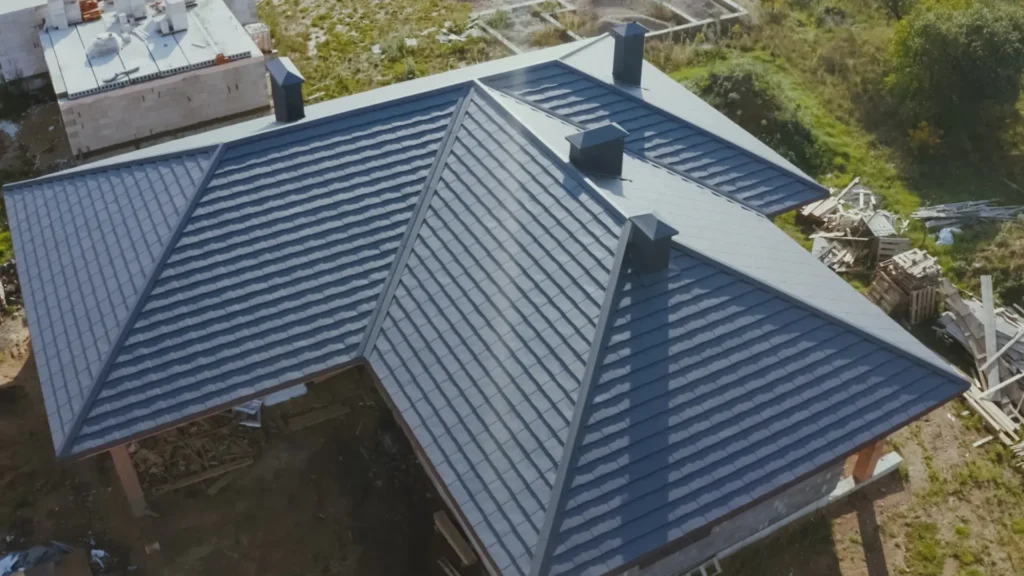
Longrun Metal Roofing (Colorsteel & Zincalume)
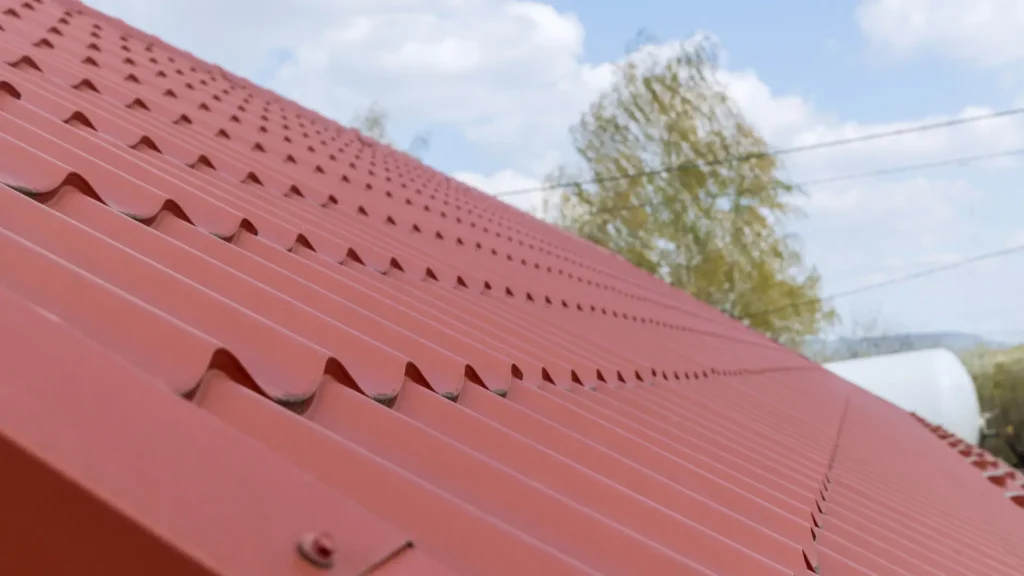
Longrun metal roofing is one of the most widely used roofing options in Kapiti, largely because it performs well in coastal conditions while offering a clean, modern appearance. You will see it on everything from older family homes to new architectural builds, making it a familiar and trusted choice across the Kapiti Coast.
What Is Longrun Metal Roofing?
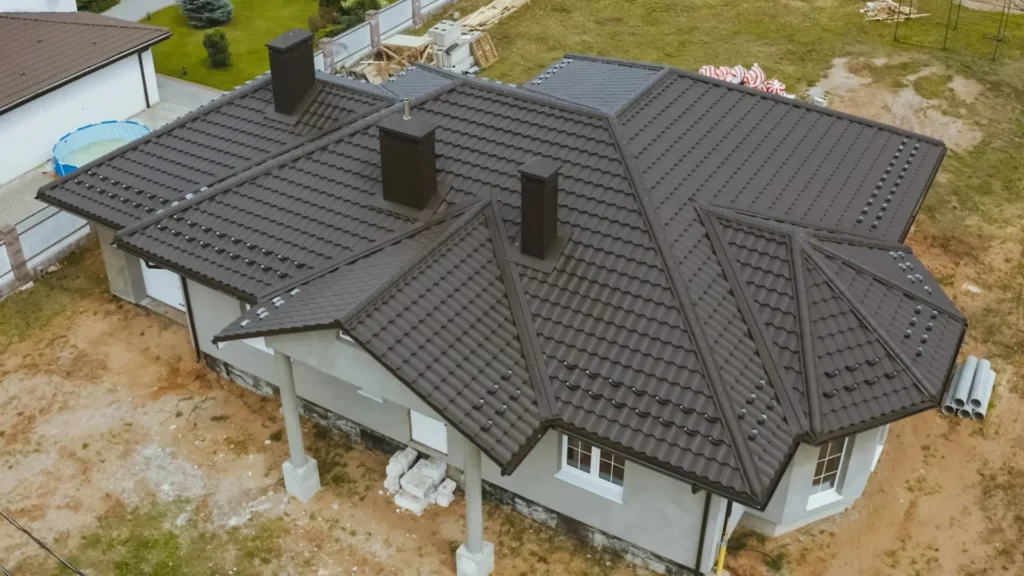
Longrun metal roofing refers to continuous steel roofing sheets that are custom-cut to the length of the roof. These sheets are typically manufactured from coated steel products such as Colorsteel or Zincalume, which are designed to resist corrosion and weather exposure. Because the sheets run from the ridge to the gutter with minimal joins, there are fewer weak points where leaks can develop. This design makes longrun metal roofing a practical and reliable option for homes exposed to wind, rain, and coastal air.
Why It’s Popular in Kapiti
Homeowners in Kapiti often choose longrun metal roofing because it aligns well with the region’s environmental conditions and housing styles.
- Excellent wind resistance: Longrun metal roofing is securely fastened to the roof structure, helping it withstand strong coastal winds that are common in Kapiti, particularly in more exposed areas.
- Lightweight and durable: Compared to tile roofing, metal roofing places less stress on the home’s structure while still offering impressive strength and durability.
- Common on both modern and older homes: Longrun metal roofing suits a wide range of property styles, making it a versatile choice for renovations, replacements, and new builds alike.
Pros & Cons for Kapiti Properties
Like any roofing material, longrun metal roofing comes with advantages and considerations that are worth understanding before making a decision.
Advantages of Longrun Metal Roofing
- Long lifespan: When installed correctly and maintained, longrun metal roofing can last several decades, even in coastal environments like Kapiti.
- Low maintenance: Metal roofs generally require less upkeep than tile roofs, with simple inspections and cleaning helping to extend their lifespan.
- Wide colour options: Products such as Colorsteel offer a broad range of colours, allowing homeowners to match their roof to their home’s design and surroundings.
Considerations to Keep in Mind
- Noise without insulation: Without proper insulation and underlay, metal roofing can be louder during heavy rain, although modern installations usually address this issue effectively.
- Potential corrosion if poorly maintained: In coastal areas, salt buildup can accelerate corrosion if the roof is not washed or maintained periodically.
Longrun metal roofing remains a practical and trusted option for Kapiti homeowners who want durability, flexibility in design, and strong performance in a coastal climate. By understanding both its strengths and its maintenance needs, you can make a more informed decision about whether this roofing type is the right fit for your property.
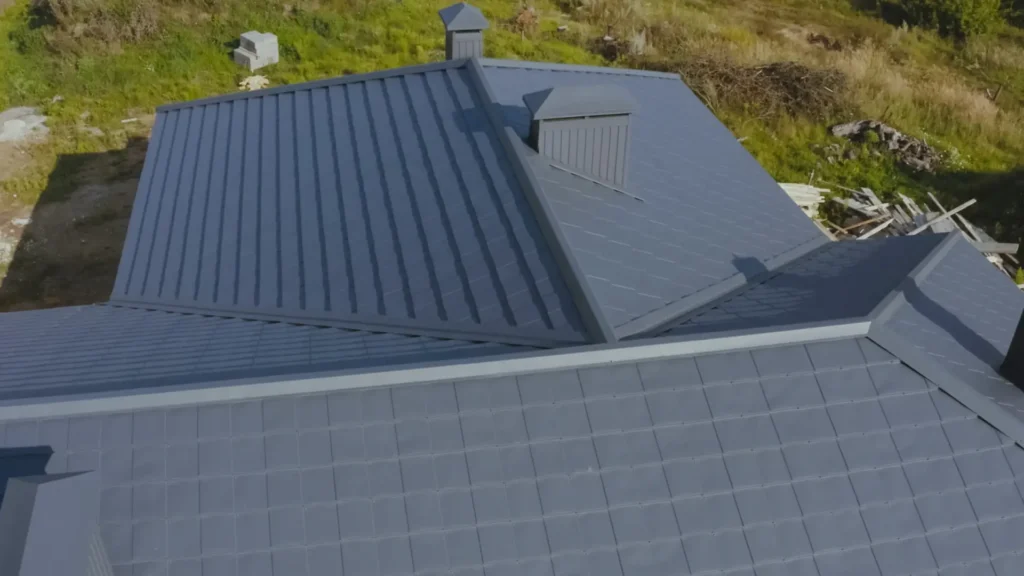
Concrete Tile Roofing
Concrete tile roofing is a familiar option across many Kapiti homes, especially in established neighbourhoods where durability and long-term performance are a priority. This roofing type is valued for its solid construction and classic appearance, but it also comes with specific considerations that homeowners should understand before choosing or maintaining it.
Overview of Concrete Tile Roofs
Concrete tile roofs are manufactured from a blend of cement, sand, and water, formed into individual tiles that interlock when installed. This overlapping design creates a robust barrier against the elements and has made concrete tiles a long-standing roofing choice throughout New Zealand. In Kapiti, these roofs are commonly found on homes built during periods when longevity and strength were key building priorities.
Because of their density, concrete tiles provide a stable roofing system when installed on a structure designed to support their weight. With correct installation and regular care, concrete tile roofs can remain functional for several decades.
How Concrete Tiles Perform In Kapiti
Concrete tile roofing can perform reliably in Kapiti, but local climate and exposure play a significant role in how well it holds up over time.
- Weight and structural considerations:
Concrete tiles are much heavier than metal roofing materials, which means the roof framing must be strong enough to support them. Homes originally built with tile roofing are typically suitable, while properties switching from lighter materials may require structural assessment or upgrades. - Resistance to wind uplift:
The substantial weight of concrete tiles helps them resist wind uplift, which is beneficial in Kapiti’s windy coastal environment. When tiles are securely fixed and regularly inspected, they tend to perform well during strong wind events. - Moss and lichen growth in damp areas:
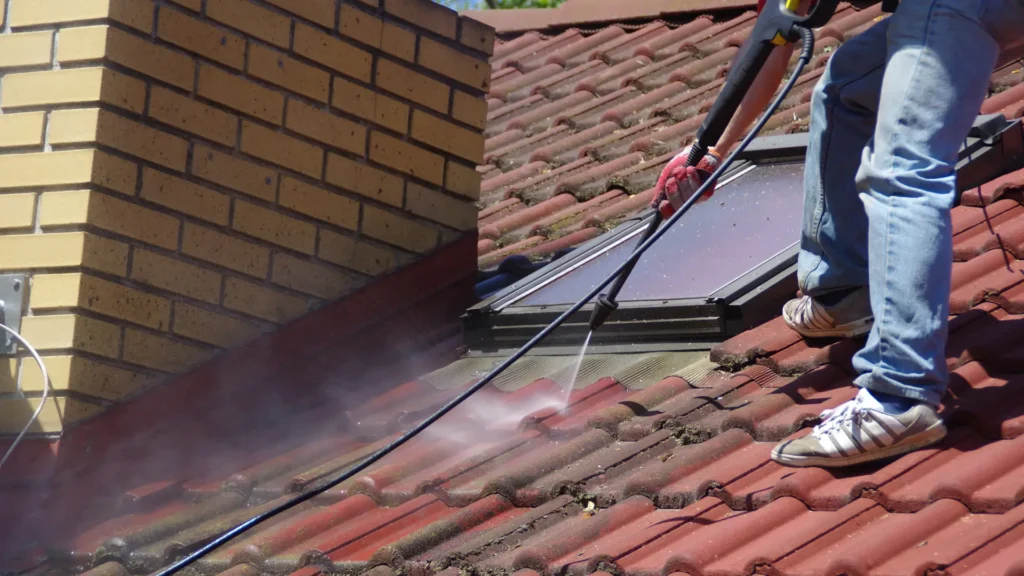
Kapiti’s coastal climate and periods of high moisture can encourage moss and lichen growth on concrete tiles, particularly in shaded areas. While this growth is common, it can retain moisture and contribute to surface wear if not managed through regular cleaning.
Advantages & Drawbacks
Concrete tile roofing offers a mix of durability and comfort benefits, along with some practical limitations.
- Pros:
- Long-lasting: Concrete tile roofs can last 40 to 50 years or longer when properly maintained, making them a long-term roofing solution.
- Good insulation properties: The thickness of concrete tiles helps reduce noise and moderate indoor temperatures, contributing to a more comfortable living environment.
- Cons:
- Heavy: The weight of concrete tiles can limit their suitability for some homes and may increase structural requirements during installation or replacement.
- Requires maintenance: Regular inspections and cleaning are needed to manage moss growth and prevent moisture-related damage.
- Less suitable for some coastal locations: In highly exposed parts of Kapiti, salt air and persistent moisture can accelerate wear if maintenance is overlooked.
Concrete tile roofing continues to be a dependable choice for many Kapiti homeowners, particularly where homes are designed to support the weight and ongoing maintenance is planned. Understanding how concrete tiles perform locally helps ensure this roofing option remains a practical and long-lasting solution for the Kapiti Coast.
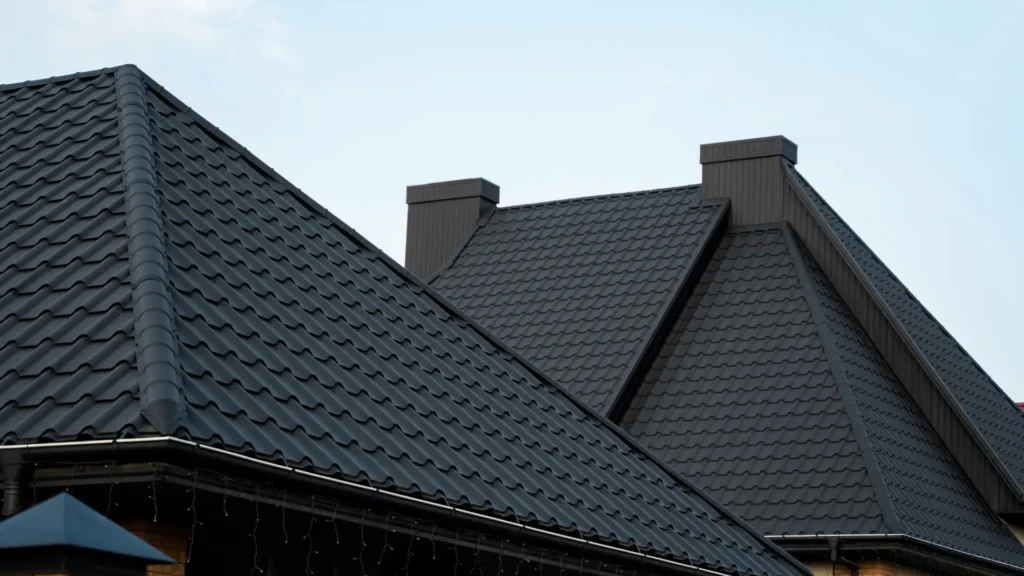
Clay Tile Roofing
Clay tile roofing is often chosen for its distinctive appearance and long-standing use in residential architecture, particularly on homes designed with a traditional or Mediterranean influence. While clay tiles are visually appealing and known for their longevity, their real-world performance depends heavily on local environmental conditions, structural support, and ongoing maintenance. For homeowners in Kapiti, understanding both the strengths and limitations of clay tile roofing is essential before deciding whether it is the right fit for a coastal property.
Traditional Appeal vs Practical Performance
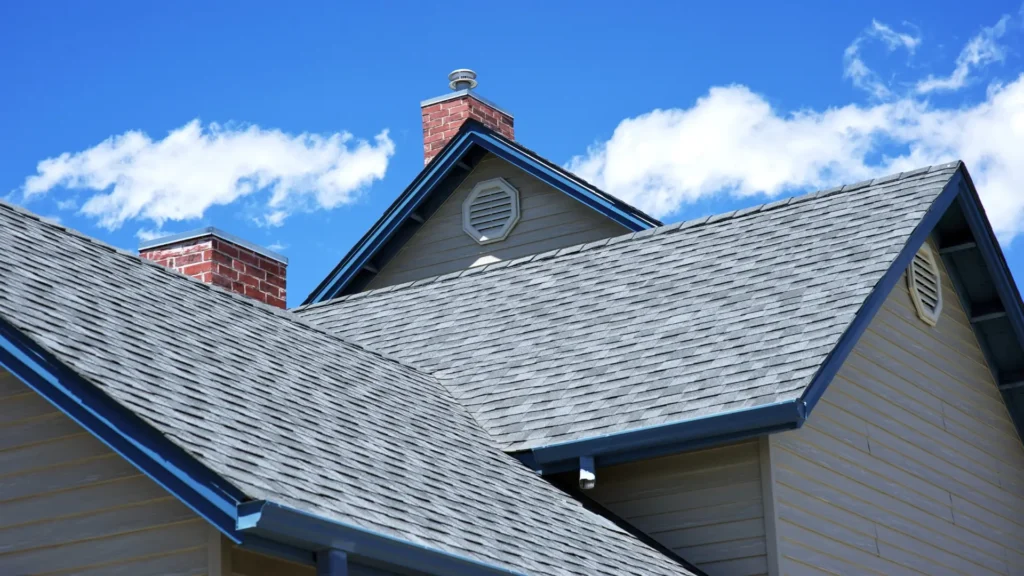
Clay tile roofs are immediately recognizable and are often associated with character homes, heritage-style properties, and architecturally designed builds. However, appearance alone should not be the deciding factor when evaluating roofing options.
Aesthetic appeal:
- Clay tiles offer a classic, textured look that adds visual depth and character to a home
- Available in natural earth tones that age gradually rather than fading quickly
- Often complements traditional, Mediterranean, and bespoke home designs
Beyond appearance, performance considerations become increasingly important, especially in areas exposed to coastal weather.
- Clay tiles are durable and fire-resistant, with a long potential lifespan when well maintained
- Individual tiles can crack under impact or movement, requiring periodic inspection
- Their heavier weight means the roof structure must be designed or reinforced to support them properly
While clay tiles can perform well over time, they generally require more attention than lighter roofing materials.
Is Clay Roofing Suitable for Kapiti?
Kapiti’s coastal environment introduces factors that directly affect how clay tile roofing performs over the long term. Salt air, wind exposure, and moisture levels all play a role in determining suitability.
Salt air impact:
- Salt-laden air can accelerate wear on fixings and roof components beneath the tiles
- Mortar and fastening systems may deteriorate faster in coastal conditions
- Regular inspections are important to identify early signs of corrosion or tile movement
Cost is another key consideration, particularly when comparing clay tiles to more commonly used roofing materials in the region.
Cost considerations:
- Clay tile roofing typically has higher upfront material and installation costs
- Structural reinforcement may be required for some homes, increasing overall expense
- Ongoing maintenance costs should be factored into long-term budgeting
For Kapiti homeowners, clay tile roofing can be a suitable option when aesthetics are a priority and the home is designed to support the material. However, it is generally better suited to sheltered locations or properties where regular maintenance is planned and budgeted for.
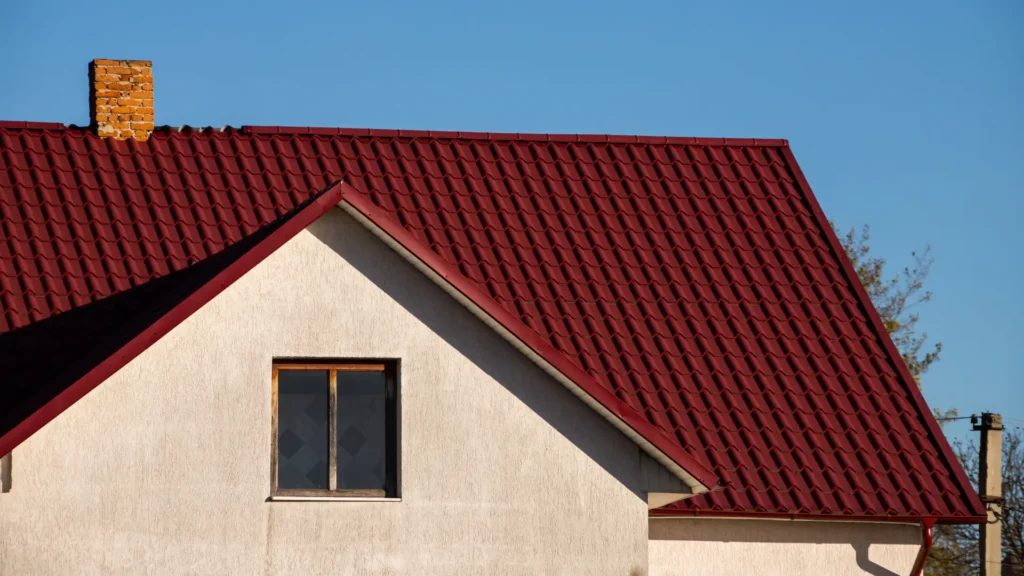
Asphalt Shingle Roofing (Less Common but Growing)
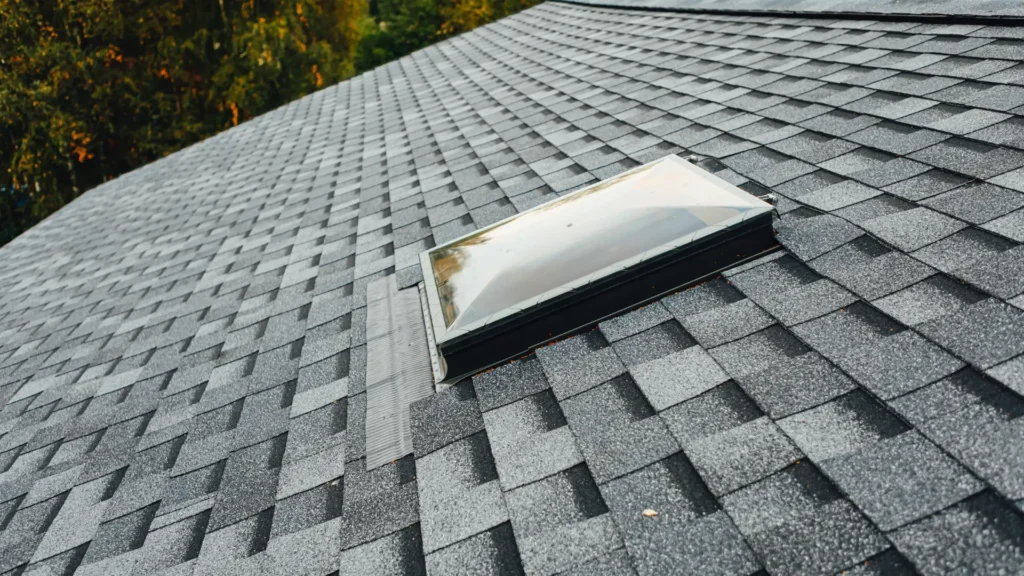
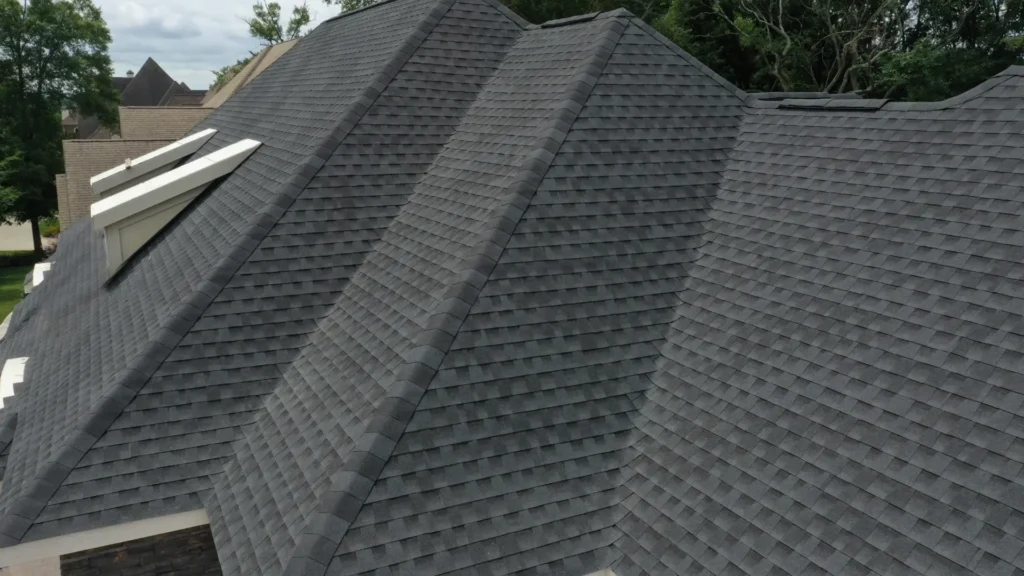
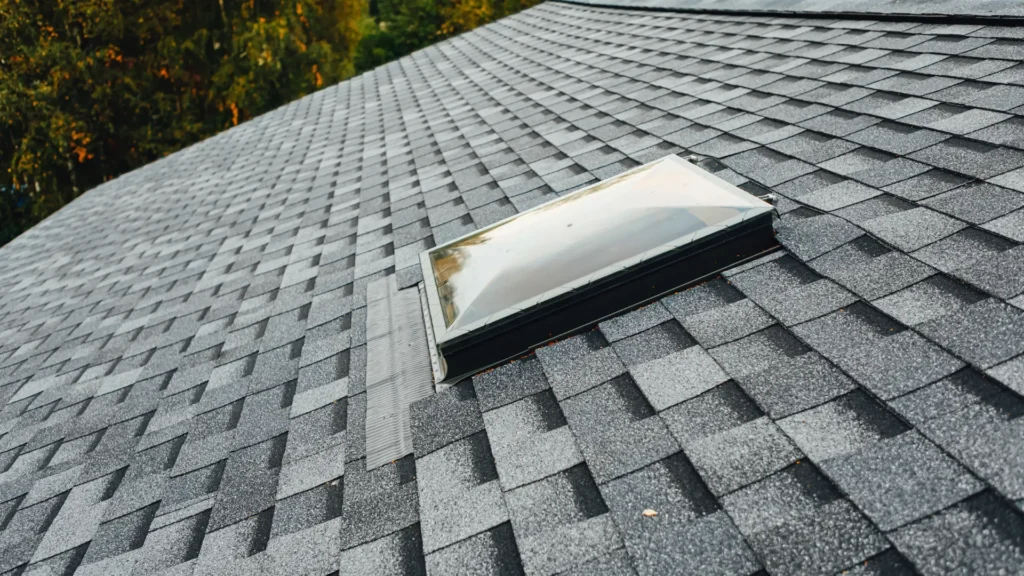
Asphalt shingle roofing is becoming a more noticeable option in Kapiti, particularly for homeowners who want a roofing material that offers visual flexibility without committing to heavier tile systems or industrial-looking metal roofs. While it is still less common than longrun metal or concrete tiles, asphalt shingles are increasingly being used in renovation projects and architecturally designed homes where appearance and roof detailing play a larger role in the overall design.
What Are Asphalt Shingles?
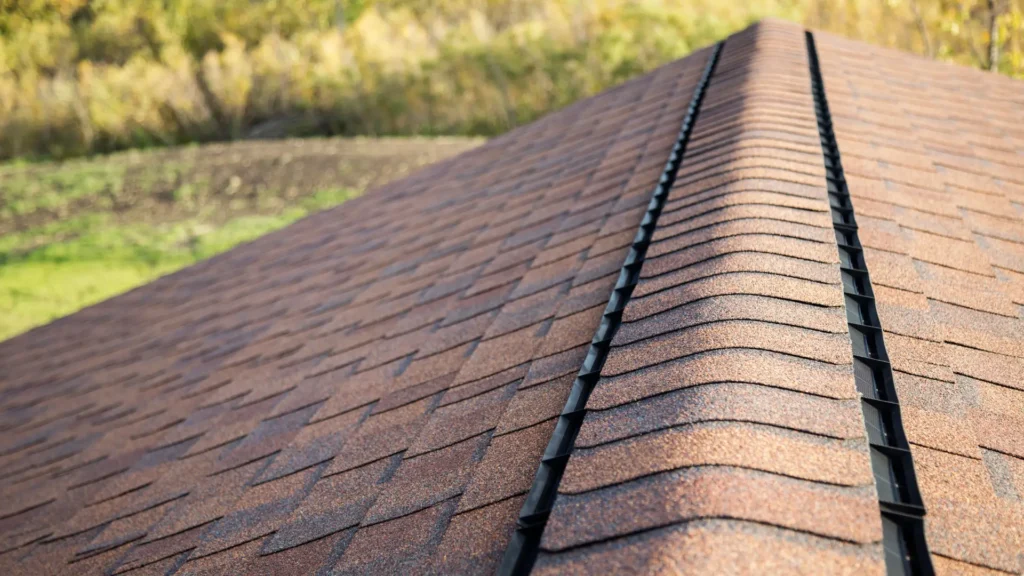
Asphalt shingles are a layered roofing material made from a fiberglass base mat that is coated with asphalt and finished with protective mineral granules. This construction allows the shingles to repel water, resist UV exposure, and provide a textured, dimensional look. Installed in overlapping rows, asphalt shingles create a continuous weather barrier while allowing more design variation than many traditional roofing materials. In Kapiti, they are often chosen for their range of colours and profiles, making them suitable for homes that aim for a distinctive or refined exterior finish.
Where They Work Well in Kapiti
Asphalt shingles tend to perform best in specific situations across the Kapiti Coast, particularly where exposure is managed and architectural design is a priority.
- Used more in renovations and architectural builds: Asphalt shingles are commonly selected for renovation projects where homeowners want to modernise the appearance of an existing home without drastically altering its structure. They are also well suited to architecturally designed homes that feature complex rooflines, multiple pitches, or design-focused exteriors.
- Wind rating considerations: Kapiti’s coastal winds mean that asphalt shingles must meet appropriate wind rating standards for the specific site. Higher-grade shingles with reinforced fixing systems can perform reliably in sheltered or semi-exposed locations, but they may not be suitable for homes with direct coastal exposure or consistently high wind conditions.
- Maintenance requirements: Asphalt shingle roofs require ongoing maintenance to ensure long-term performance. Regular inspections are important to check for lifted or damaged shingles, granule loss, and moisture retention, especially after strong winds or heavy rainfall common in Kapiti.
Additional Considerations for Kapiti Homes
Before choosing asphalt shingles, homeowners should consider the balance between aesthetics and maintenance. While these roofs can enhance a home’s visual appeal, they generally require more frequent checks and upkeep than metal roofing systems in coastal environments. Proper installation and material quality play a significant role in how well asphalt shingles perform over time.
Asphalt shingle roofing is a growing option in Kapiti for homeowners seeking design flexibility and a more traditional or architectural roof appearance. When used in the right location and maintained correctly, it can be a practical and visually appealing roofing solution for specific property types.
Flat & Low-Slope Roofing Systems (Membrane Roofs)
Flat and low-slope roofing systems are becoming more common in Kapiti, especially on modern homes, architectural builds, and extensions where clean lines and contemporary design are a priority. While these roofs look simple from the outside, they require careful material selection and precise installation to perform well in Kapiti’s coastal climate.
Common Flat Roofing Options in Kapiti
Flat roofs in Kapiti typically rely on membrane systems designed to create a fully waterproof surface rather than shedding water quickly like pitched roofs. The most commonly used options are outlined below.
- Butynol: A rubber-based membrane widely used in New Zealand, Butynol is known for its flexibility, durability, and strong waterproofing performance. It handles Kapiti’s temperature changes well and is often chosen for residential flat roofs, balconies, and complex roof shapes where seamless waterproofing is essential.
- TPO / PVC Membranes: These are modern synthetic roofing membranes commonly used on newer builds and commercial-style homes. TPO and PVC membranes are heat-welded at the seams, creating a continuous waterproof layer that performs well when installed correctly. They are lightweight, UV-resistant, and increasingly popular in Kapiti for their clean finish and long-term reliability.
Key Considerations For Kapiti Homes
Flat and low-slope roofs can work very well in Kapiti, but their success depends more on design and workmanship than on the membrane alone.
- Drainage Design: Flat roofs are never truly flat and must be carefully designed with subtle slopes that direct water toward drains or outlets. In Kapiti’s wet and windy conditions, poor drainage can quickly lead to pooling water, which increases wear on the membrane and raises the risk of leaks over time.
- Waterproofing Importance: Waterproofing is the single most critical factor in flat roofing systems. Unlike pitched roofs that naturally shed water, flat roofs rely entirely on the membrane to keep moisture out. High-quality materials, proper detailing around edges, penetrations, and junctions, and regular inspections are essential for long-term performance.
- Installation Quality Matters More Than Material: Even the best membrane will fail if it is poorly installed. Seam welding, adhesive application, substrate preparation, and detailing all play a major role in how well a flat roof performs in Kapiti’s coastal environment. Choosing experienced installers with local knowledge is often more important than selecting the most expensive product.
Flat and low-slope roofing systems can be a smart and visually appealing choice for Kapiti homes when they are properly designed and installed. With the right membrane, thoughtful drainage planning, and skilled workmanship, these roofs can provide reliable protection and a clean modern look that suits the region’s evolving housing styles.
Comparing Roof Types For Kapiti Homes
Choosing the right roof type is much easier when you can see how each option compares side by side. This table is designed specifically for Kapiti homeowners, taking into account coastal conditions, maintenance expectations, and long-term value. It allows you to quickly compare common roofing options without needing technical knowledge or guesswork.
Roof Type Comparison Table
| Roof Type | Durability | Maintenance | Cost Range | Coastal Suitability | Visual Style |
| Longrun Metal Roofing | High resistance to wind, rain, and UV exposure when properly coated | Low, mainly inspections and occasional cleaning | Mid-range | Very suitable for coastal conditions | Modern, clean, versatile colours |
| Concrete Tile Roofing | Long lifespan but can crack or wear over time | Moderate, moss removal and tile checks required | Mid to high | Suitable with regular maintenance | Traditional, solid, classic |
| Clay Tile Roofing | Durable but more fragile than concrete tiles | Moderate to high, requires careful upkeep | High | Fair, needs extra care near the coast | Traditional, Mediterranean style |
| Flat / Membrane Roofing | Durable when correctly installed and maintained | Moderate, regular drainage and membrane checks | Varies | Suitable with quality waterproofing | Modern, minimalist, architectural |
| Asphalt Shingle Roofing | Moderate durability compared to other options | Moderate, periodic inspections needed | Mid-range | Suitable in sheltered locations | Textured, residential appearance |
How To Use This Comparison
This table is designed to help Kapiti homeowners quickly assess which roof types align with their priorities, whether that is durability in coastal weather, low maintenance, cost control, or visual appeal. By reviewing these factors together, you can narrow down your options before speaking with a roofing professional.
- Durability: Highlights how well each roof type performs against Kapiti’s wind, rain, salt air, and sun exposure.
- Maintenance: Shows the level of ongoing care required to keep the roof in good condition.
- Cost Range: Provides a general indication of upfront investment, noting that exact pricing varies by project.
- Coastal Suitability: Reflects how well each roofing material performs in Kapiti’s coastal environment.
- Visual Style: Helps you consider how each roof type complements different home designs.
Why This Table Matters
A clear comparison improves usability by allowing readers to scan information quickly and understand trade-offs at a glance. This approach helps homeowners make more informed decisions, reduces confusion, and supports longer engagement with the content by presenting complex information in a simple, practical format.
Using a comparison table makes it easier to identify which roof type best suits your Kapiti home without feeling overwhelmed by technical details. By considering durability, maintenance, cost, coastal suitability, and visual style together, you can move forward with confidence and choose a roofing solution that works for both your property and the local environment.
How To Choose The Right Roof Type In Kapiti
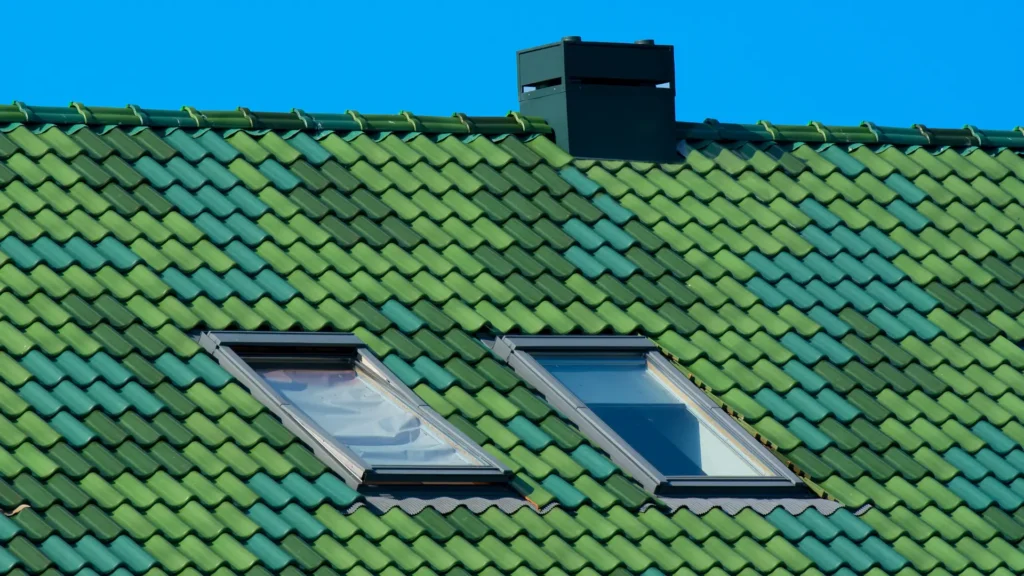
Choosing the right roof type in Kapiti is less about finding a universal “best option” and more about matching the roof to your specific property, location, and long-term goals. Kapiti’s mix of coastal and inland environments means roofing decisions should be practical, informed, and tailored rather than based on trends or assumptions.
Location: Coastal Vs Inland Kapiti
Where your home sits on the Kapiti Coast plays a major role in determining which roofing materials will perform best over time.
- Coastal areas: Homes closer to the coast are exposed to stronger winds, salt air, and higher moisture levels, making corrosion resistance and secure fixing essential.
- Inland areas: Properties further inland typically face less salt exposure, allowing for a wider range of roofing materials with fewer long-term durability concerns.
Understanding your micro-location helps narrow down roof types that can handle the conditions without excessive maintenance.
Budget Considerations
Your budget will influence not only the material you choose but also the long-term value you receive from it.
- Upfront cost: Some roof types have a lower initial price but may require more frequent repairs or replacement.
- Long-term value: Investing slightly more upfront can often reduce maintenance costs and extend the roof’s lifespan.
- Installation complexity: Roof designs and materials that are quicker to install may reduce labour costs.
Balancing short-term affordability with long-term performance is key to making a cost-effective decision.
Home Style And Age
The architectural style and age of your home should guide your roofing choice to ensure both structural compatibility and visual consistency.
- Older homes: Traditional houses may be better suited to tile roofing or materials that match the original design.
- Modern homes: Contemporary builds often pair well with longrun metal or low-slope roofing systems.
- Structural capacity: Heavier roofing materials may not be suitable for older structures without reinforcement.
A roof that complements your home’s design will look better and often perform better structurally.
Maintenance Tolerance
Different roof types come with different levels of ongoing care, and it’s important to be realistic about how much maintenance you’re willing to manage.
- Low maintenance options: Metal roofing typically requires minimal upkeep when properly installed.
- Higher maintenance options: Tile roofs may need regular cleaning to manage moss, lichen, or debris buildup.
- Access and safety: Roof pitch and height can affect how easy inspections and maintenance will be over time.
Choosing a roof that aligns with your maintenance expectations helps avoid future frustration and unexpected costs.
Council Or Consent Requirements
Local regulations can influence which roof types are permitted or practical for your property.
- Building consent: Some roof replacements or changes in material may require council approval.
- Design restrictions: Certain areas or developments may have guidelines on roof appearance or materials.
- Compliance standards: Roofing must meet New Zealand Building Code requirements for wind, weather tightness, and durability.
Checking requirements early helps prevent delays and ensures your project stays compliant from start to finish.
Making The Right Choice For Your Situation
There’s no single best roof for every home in Kapiti, only the roof that best fits your location, budget, home style, and long-term plans. Taking the time to weigh these factors carefully will help you choose a roofing solution that performs well, looks right, and stands up to Kapiti’s conditions for years to come.
Roof Replacement Vs New Roofing In Kapiti
Deciding between roof repairs, a full roof replacement, or installing a new roofing system is a common challenge for Kapiti homeowners. Local weather conditions, coastal exposure, and the age of existing materials all influence when repairs stop being effective and when a more permanent roofing solution becomes the smarter choice.
When Repairs Are No Longer Cost-Effective
Over time, continued repairs can become a short-term fix rather than a practical solution, particularly in Kapiti’s coastal climate where roofing materials are under constant stress.
- Repeated Repair Costs: Ongoing spending on leak fixes, cracked tiles, or corrosion repairs often adds up to more than the cost of a replacement.
- Widespread Damage: When issues extend across large sections of the roof, repairs tend to be temporary and less reliable.
- End-of-Life Materials: Roofing materials that have reached their expected lifespan are more likely to fail even after professional repairs.
- Hidden Structural Issues: Water ingress can damage roof framing and insulation, making surface repairs ineffective over time.
In these situations, replacing the roof addresses the underlying problems rather than continuing a cycle of short-term fixes.
Signs Your Roof Type May No Longer Be Suitable
Some roofing systems struggle not because of poor workmanship, but because they are no longer suitable for the property or Kapiti’s environment.
- Poor Coastal Performance: Roofs that show ongoing corrosion, lifting, or movement may not handle salt air and strong coastal winds well.
- Persistent Moss Or Lichen Growth: Tile roofs in damp or shaded areas may require constant cleaning, indicating they are not ideal for the site.
- Outdated Roofing Systems: Older roof types may not meet current weatherproofing or insulation standards.
- Reduced Indoor Comfort: Roofing that contributes to heat loss, moisture issues, or temperature fluctuations can affect day-to-day comfort.
These signs often suggest that upgrading to a more suitable roof type will deliver better long-term results.
Common Upgrade Paths In Kapiti Homes
Roof replacement often provides an opportunity to improve durability, appearance, and overall performance, which is why many Kapiti homeowners choose to upgrade their roofing system.
- Tile To Longrun Metal Roofing: A common upgrade that reduces roof weight, improves wind resistance, and lowers maintenance requirements.
- Older Metal To Modern Colorsteel: Newer metal roofing offers improved corrosion resistance and longer manufacturer warranties.
- Flat Roof System Upgrades: Aging flat roofs are frequently replaced with modern membrane systems designed for better drainage and waterproofing.
- Insulation And Underlay Improvements: Roof replacement allows insulation and moisture barriers to be upgraded to current building standards.
These upgrade paths are particularly popular during home renovations or when preparing a property for long-term ownership.
Choosing the right roof type can save you thousands in repairs and maintenance over time—but only if it’s suited to Kapiti’s unique coastal environment. If you want clear, honest advice based on local experience, explore our website to see how we help Kapiti homeowners choose roofing solutions that last.
References
- Roofing Services and Materials in Kapiti Coast
https://steelcraftroofing.co.nz/kapiti (Steel Craft Roofing) - Best Roofing Materials for New Zealand’s Climate
https://realtor.co.nz/article-detail/selecting-the-ideal-roofing-material-for-new-zealands-climate (realtor.co.nz) - Types of Roof Construction in New Zealand
https://rockstarroofing.co.nz/different-types-of-roof-construction/ (Rockstar Roofing Solutions in Kapiti) - Ultimate Guide to Roof Types in New Zealand
https://builderconnect.co.nz/blog/ultimate-guide-to-roof-types-nz/ (Builder Connect NZ) - Roofing Materials Suited for Coastal and Windy Climates
https://roofmate.co.nz/types-of-roofing-materials/ (roofmate.co.nz)
FAQs: About Roof Types In Kapiti
What is the most popular roof type in Kapiti?
Longrun metal roofing is the most popular roof type in Kapiti due to its durability, wind resistance, and suitability for coastal conditions.
Which roof type lasts the longest in Kapiti’s climate?
High-quality metal roofing and well-maintained concrete tile roofs typically last the longest in Kapiti, often exceeding 40–50 years when properly cared for.
Is metal roofing noisy during heavy rain?
Modern metal roofing is not significantly noisy when installed with proper insulation and underlay, which is standard in most Kapiti homes.
Are concrete tile roofs suitable for coastal areas like Kapiti?
Concrete tile roofs can be suitable in Kapiti but may require more maintenance due to moss growth and potential salt air exposure.
What roof type is best for coastal wind conditions?
Longrun metal roofing performs best in Kapiti’s windy coastal areas because it is lightweight and securely fastened, reducing wind uplift risks.
Do flat roofs work well in Kapiti?
Flat and low-slope roofs can work well in Kapiti when designed with proper drainage and high-quality waterproof membrane systems.
How often should roofs be maintained in Kapiti?
Most roofs in Kapiti should be inspected every one to two years, with coastal homes benefiting from more frequent checks due to salt exposure.
Is roof replacement better than roof repairs?
Roof replacement is often more cost-effective when a roof is near the end of its lifespan or has widespread issues, while repairs are suitable for localized damage.
Does the roof type affect property value in Kapiti?
Yes, modern and well-maintained roof types can improve property value and buyer confidence, especially when suited to Kapiti’s coastal environment.
How do I choose the right roof type for my Kapiti home?
The right roof type depends on your home’s location, exposure to coastal conditions, budget, maintenance preferences, and long-term plans.
Conclusion
Choosing the right roof type in Kapiti is about balancing local coastal conditions, material performance, and long-term reliability, and this guide has aimed to give you clear, practical insight into how different roofing options perform in real Kapiti environments. By understanding the strengths and limitations of common roof types, considering factors like wind exposure, salt air, maintenance needs, and overall durability, you can make a more confident and informed decision for your property. The next step is to apply this knowledge to your own home and circumstances, taking the time to evaluate what will offer the best protection and value over the long term, and if needed, seeking advice from professionals with genuine local experience so you can move forward with clarity and peace of mind.