Welcome to your go-to guide on how to remove moss from your roof in Kapiti, where the combination of coastal air, regular rainfall, and shaded areas can make moss growth a common headache for homeowners. While a moss-covered roof might seem harmless at first, over time it can trap moisture, lift shingles, block gutters, and quietly shorten the lifespan of your roof—leading to costly repairs if ignored. The good news is that moss removal doesn’t have to be complicated or risky when done the right way. In this guide, we’ll walk you through why moss grows so easily in Kapiti, how to safely remove it using proven methods, when it’s best to tackle the job yourself versus calling in professionals, and how to prevent it from coming back for good. Whether you’re dealing with a small patch or a roof that’s starting to turn green, this article is designed to give you clear, practical advice that actually works—without the guesswork.
To remove moss from a roof in Kapiti, start by choosing a dry, overcast day and using a soft brush or broom to gently loosen the moss, brushing downward to avoid damaging roofing materials. Apply a roof-safe moss treatment or diluted solution to kill remaining spores, then lightly rinse with low water pressure. Avoid pressure washing, as it can damage shingles. Regular gutter cleaning, trimming overhanging trees, and installing zinc or copper strips can help prevent moss from returning in Kapiti’s damp climate.
Table of Contents
What Is Roof Moss? And Why It’s A Problem In Kapiti
Roof moss is a simple plant, but it can cause serious issues if left unchecked, especially in areas like Kapiti where the environment allows it to thrive. Understanding what moss is, why it grows on roofs, and the risks it brings helps homeowners make informed decisions before moving on to removal or prevention.
What Roof Moss Is And How It Grows
Moss is a small, non-flowering plant that spreads through spores rather than seeds. It does not need soil to grow, which makes roof surfaces an easy target.
- What Moss Is: A moisture-loving plant that attaches itself to surfaces like tiles, shingles, and metal roofing
- How It Grows: Moss spores land on a roof, settle into small cracks or textured surfaces, and begin growing when moisture is consistently present
- Why Roofs Are Ideal: Roofs often collect moisture, debris, and shade, creating the perfect conditions for moss to take hold
Moss tends to grow slowly, which is why many homeowners do not notice it until it has already spread across visible sections of the roof.
Why Moss Thrives In Kapiti’s Climate
Kapiti’s natural environment plays a major role in how quickly roof moss develops. Even well-maintained roofs are not immune due to local weather and vegetation patterns.
- Regular Rainfall: Frequent rain keeps roofs damp for long periods, especially during cooler months
- Mild Temperatures: Moss grows best in temperate climates where extreme heat does not dry it out
- Tree Cover: Many Kapiti homes are surrounded by trees that create shade and drop organic debris onto roofs
- Coastal Humidity: Moist air near the coast increases surface moisture, even on days without rain
These conditions allow moss to grow year-round rather than seasonally, making Kapiti roofs more vulnerable than those in drier regions.
Why Roof Moss Is More Than Just A Visual Issue
While moss may look harmless at first, it can slowly damage roofing materials and compromise the structure underneath.
- Moisture Retention: Moss holds water against the roof surface, preventing it from drying properly
- Shingle Or Tile Lifting: As moss grows, it can wedge itself under shingles or tiles, lifting them and allowing water to seep underneath
- Rot And Decay: Prolonged moisture can lead to wood rot in roof decking and supporting structures
- Shortened Roof Lifespan: Over time, untreated moss can significantly reduce the life expectancy of a roof, leading to earlier replacement costs
These issues often develop gradually, which makes moss one of the most underestimated causes of roof damage.
Why Understanding Moss Matters Before Removal
Knowing why moss forms and why it is a problem helps homeowners choose the safest and most effective removal approach. Rushing into removal without understanding the cause can lead to damage or quick regrowth. By understanding the role Kapiti’s climate plays and how moss affects roofing materials, homeowners are better prepared to protect their roofs long-term.
Taking the time to learn about roof moss sets the foundation for effective removal and prevention, helping ensure your roof stays durable, dry, and in good condition for years to come.
When You Should (And Shouldn’t) Remove Moss
Knowing the right time to remove moss from your roof is just as important as knowing how to do it. In Kapiti’s damp and coastal climate, moss growth can escalate quickly if ignored, but acting too early or in the wrong conditions can also cause unnecessary damage. This section explains when you should take action, when it’s safe to wait, and why timing plays a critical role in protecting your roof.
Signs You Need To Act
Moss rarely appears overnight, but once it becomes noticeable, it’s usually a sign that moisture is lingering on your roof. Paying attention to early warning signs can help prevent long-term damage and costly repairs.
- Signs you need to act:
Visible green patches spreading across shingles or tiles are a clear indicator that moss has taken hold. If your roof feels slippery underfoot or you notice moss falling into gutters, it’s time to address the problem. Clogged gutters caused by moss buildup can also prevent proper water drainage, increasing the risk of leaks and overflow.
When It’s Okay To Wait
Not every trace of moss requires immediate removal. Acting unnecessarily can sometimes do more harm than good, especially if aggressive methods are used too soon.
- When to wait:
Very light moss or small isolated patches that can be brushed off easily without force are usually not urgent. If the moss is dry, thin, and limited to shaded corners, you may be able to monitor it while planning preventative steps such as trimming nearby trees or improving roof drainage.
The Dangers Of Ignoring Moss Growth
Leaving moss untreated for too long can quietly compromise the structure of your roof. What starts as a cosmetic issue often turns into a functional problem.
- Dangers of ignoring it:
Moss traps moisture against roofing materials, preventing them from drying properly. Over time, this trapped water can lead to rot, cracked shingles, weakened tiles, and leaks that affect both the roof and interior of your home. In Kapiti’s wet climate, these issues can progress faster than many homeowners expect.
The Best Time Of Year To Remove Moss
Timing your moss removal properly helps protect both your roof and your personal safety. Weather conditions play a major role in how effective and safe the process will be.
- Seasonal timing:
Dry, cloudy days are ideal for moss removal. These conditions reduce the risk of slipping while allowing moss treatments to work effectively without evaporating too quickly. Avoid working on wet, windy, or extremely sunny days, as moisture increases danger and excessive heat can reduce treatment effectiveness.
Understanding when to remove moss helps you avoid unnecessary risks while extending the life of your roof. By acting at the right time and avoiding delays when moss becomes established, Kapiti homeowners can maintain a safer, cleaner roof with fewer long-term issues.
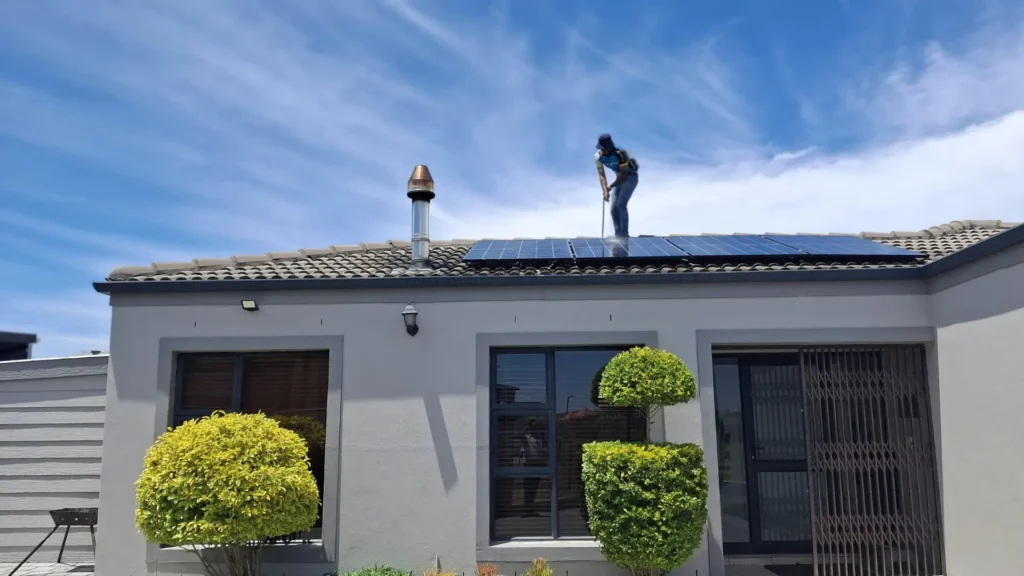
Safety First: What You Need To Know Before You Climb A Roof
Before attempting any roof moss removal, safety must come first. Working at height always carries risk, and in Kapiti’s damp climate, moss-covered roofs can become especially slippery. Proper preparation helps reduce the chance of injury while also protecting your roofing materials from accidental damage.
Ladder And Harness Basics
A secure ladder and proper fall protection are essential before stepping onto a roof. Many accidents occur due to unstable ladders or skipping safety equipment.
- Ladder setup: Use a strong extension ladder that extends at least one metre above the roof edge. Place it on firm, level ground and secure it at the top to prevent slipping or shifting.
- Harness use: For roofs with a noticeable slope, a safety harness attached to a solid anchor point adds an important layer of protection, especially when working near edges or moving across uneven areas.
Spending extra time on setup can greatly reduce the risk of falls and injuries.
Non-Slip Footwear
Footwear choice has a major impact on stability and control when working on a roof.
- Sole grip: Wear shoes with non-slip rubber soles designed for outdoor or roofing work. These provide better traction on damp or mossy surfaces.
- Weather awareness: Avoid roof work after rain, as moisture can linger and make surfaces slick even if moss has been removed.
Good footwear improves balance and allows you to move with more confidence while cleaning.
When To Not DIY
Not every roof is safe for do-it-yourself moss removal, and recognising when to step back is part of staying safe.
- Steep or high roofs: Roofs with sharp pitches or multiple storeys significantly increase fall risk and are better handled by professionals.
- Fear of heights: If you feel uneasy or unstable at height, it’s safer to avoid roof work altogether.
- Physical limitations: Balance issues, reduced mobility, or limited strength can make roof work unsafe.
In these cases, hiring a professional roof moss removal service is often the safest option.
Why Roof Moss Removal Tools Matter
Using the correct tools helps prevent damage to your roof while also keeping you safer during the process.
- Soft brushes: These remove moss gently without scraping or damaging shingles or tiles.
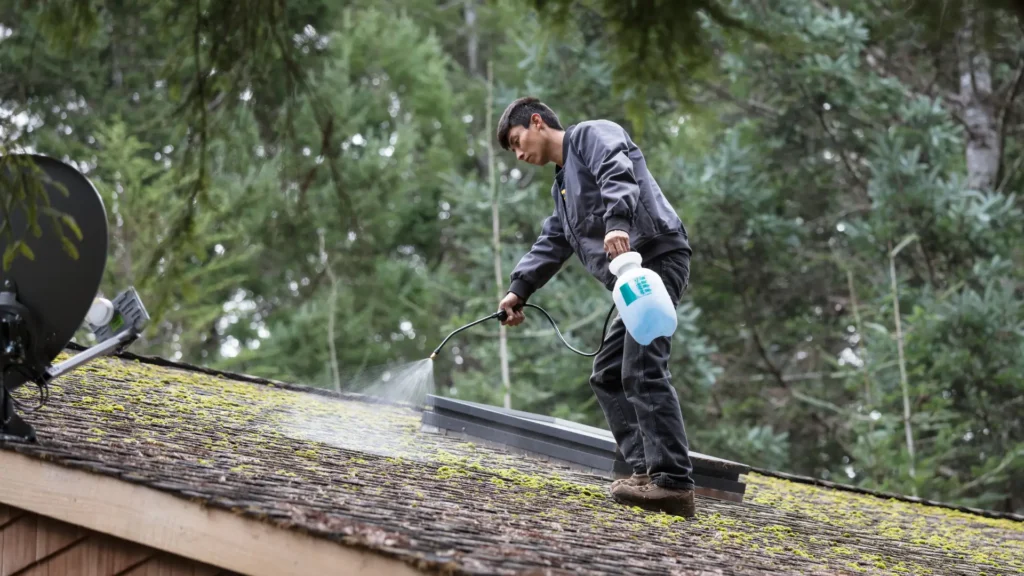
- Low-pressure sprayers: Ideal for applying moss treatments evenly without forcing water under roofing materials.
- Protective equipment: Gloves and eye protection help shield against debris, chemicals, and loose moss.
The right tools make the job safer, more efficient, and far less likely to cause long-term roof issues.
Taking the time to follow proper safety practices can make roof moss removal far less risky. By preparing carefully, using suitable equipment, and knowing when professional help is the better choice, you protect both your personal safety and the condition of your roof.
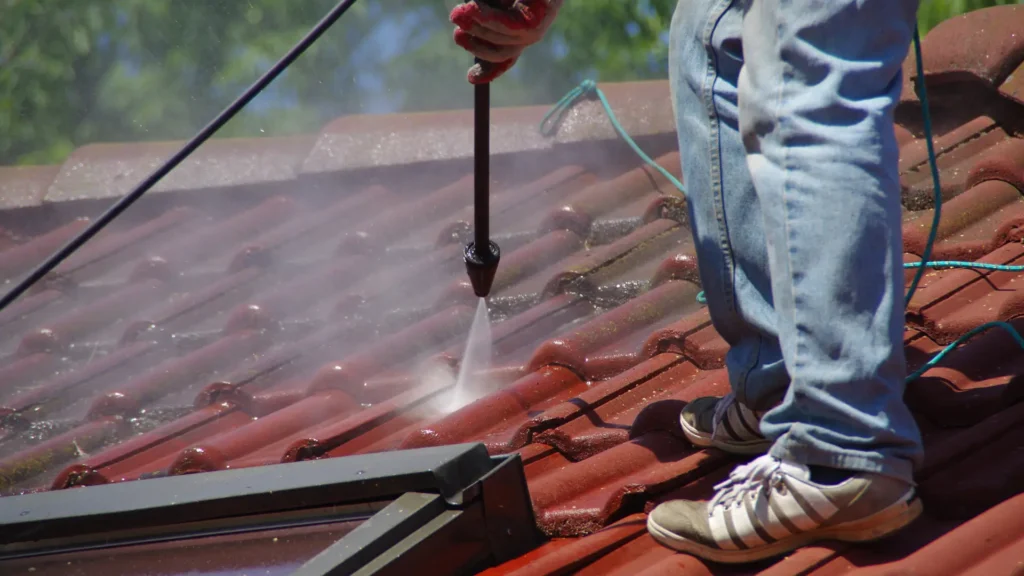
Step-By-Step DIY Moss Removal (Safe And Effective)
Removing moss from your roof can be done safely if you follow a structured process and avoid harsh methods that damage roofing materials. The steps below focus on protecting your roof while achieving effective, long-lasting results. Each stage plays an important role in ensuring the moss is removed properly and safely.
Step 1: Prep Your Work Area
Proper preparation makes moss removal safer and prevents unnecessary mess or damage. This step ensures you can work efficiently and avoid problems later in the process.
- Clear Debris: Remove leaves, sticks, and loose dirt using a soft broom or by hand with gloves so moss is fully visible and easier to treat.
- Protect Plants And Gutters: Cover nearby plants with plastic sheeting and make sure gutters are clear to prevent moss runoff from causing blockages.
- Choose The Right Weather: Select a dry, overcast day with little wind to reduce slipping risks and allow treatments to work effectively.
Step 2: Soften Or Kill The Moss
Treating the moss before removal helps loosen its grip on the roof surface, making it easier to remove without damaging shingles or tiles.
- Commercial Moss Killers: Use roof-safe moss removal products designed to kill moss spores while protecting roofing materials when used correctly.
- Household Solutions: For small areas, diluted vinegar or mild bleach solutions can help break down moss, but they should be used carefully and sparingly.
- Wait Time For Treatments: Allow the solution to sit as directed, usually between 15 minutes and several hours, so the moss fully softens or dies before removal.
Step 3: Gentle Removal Techniques
Once the moss has been treated, physical removal should be done slowly and gently to avoid lifting shingles or scratching the roof surface.
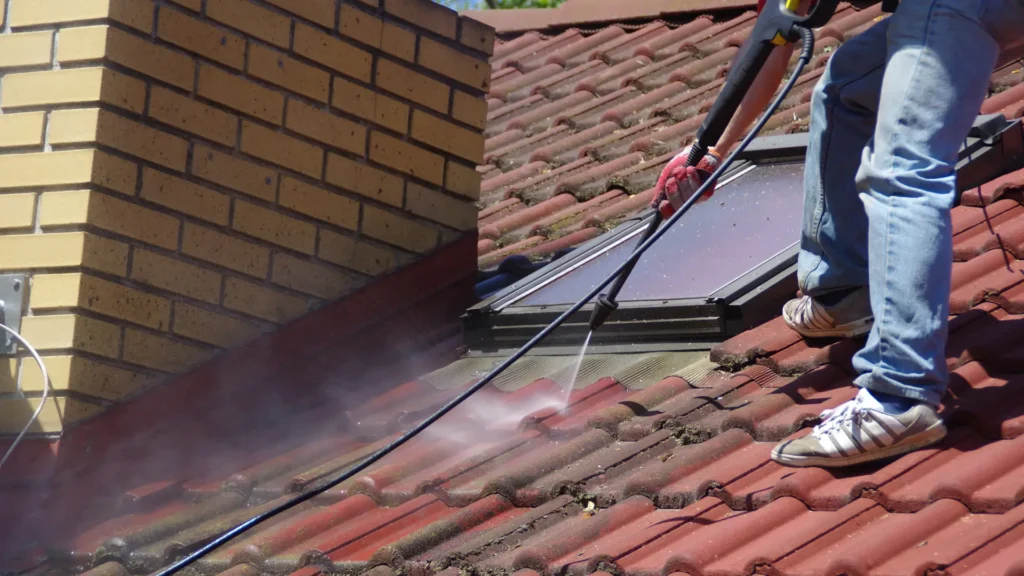
- Soft Brush Or Broom: Use a soft-bristled brush or broom only. Avoid pressure washers or metal tools, which can strip protective layers and force water under shingles.
- Downward Brushing To Protect Shingles: Brush from the top down, following the direction of the shingles to prevent damage and maintain proper water flow.
Work in small sections to maintain control and ensure thorough moss removal.
Step 4: Rinse And Final Clean
The final step clears away remaining residue and ensures your roof drainage system continues to function properly.
- Low-Pressure Hose Rinse: Gently rinse the roof using a garden hose with low pressure to remove leftover moss and treatment residue.
- Check Gutters And Downpipes: Inspect and clear gutters and downpipes to prevent moss buildup from causing drainage issues.
By following these steps carefully, homeowners can remove moss safely while protecting their roof from unnecessary wear. Taking a gentle, methodical approach not only improves appearance but also helps extend the life of your roof and reduces the risk of future damage.
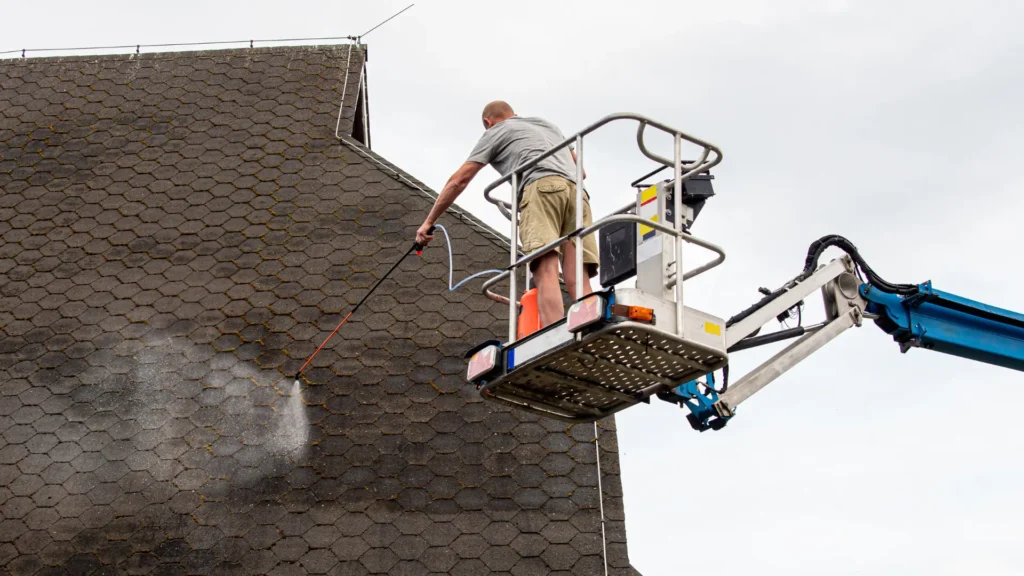
Professional Help: When It’s Worth It
Not every moss problem is safe or practical to handle on your own, especially when roof access, safety risks, or heavy moss growth are involved. In many Kapiti homes, professional roof moss removal provides a safer, more thorough solution while helping to protect the long-term condition of the roof.
When To Call A Roofer
Some roof moss situations are best left to professionals, particularly when safety or roof integrity could be compromised.
- Steep or multi-storey roofs: Sloped, high, or multi-level roofs increase the risk of slips and falls, even with basic safety equipment
- Extensive moss growth: Thick or widespread moss often indicates long-term moisture retention that can damage roofing materials beneath the surface
- Older or fragile roofing materials: Aging tiles, shingles, or metal roofs can crack, lift, or corrode during DIY cleaning
- Limited access or confidence: If reaching the roof safely is difficult or uncomfortable, professional help is the safer option
Calling a roofer in these situations helps reduce injury risk and prevents accidental damage that could lead to expensive repairs.
What Professionals Do Differently
Professional roof moss removal involves more than just clearing visible growth. Trained specialists use techniques designed to clean safely and prevent future problems.
- Soft wash cleaning methods: Low-pressure systems apply roof-safe treatments that kill moss at the root without damaging tiles or coatings
- Specialized moss treatments: Commercial-grade solutions are more effective at preventing regrowth than most household products
- Roof condition checks: Professionals often identify early signs of damage, loose tiles, or blocked drainage during the cleaning process
- Controlled water use: Proper rinsing techniques prevent water from entering roof cavities or lifting roofing materials
This comprehensive approach is particularly effective in Kapiti’s damp climate, where moss regrowth can happen quickly if not properly treated.
Cost Vs Value Considerations
While professional moss removal has an upfront cost, it often delivers long-term value by protecting the roof and reducing future expenses.
- Extended roof lifespan: Regular professional cleaning helps prevent moisture damage and material breakdown
- Reduced repair risks: Avoiding DIY mistakes lowers the chance of leaks, broken tiles, or structural damage
- Time and safety savings: Professionals complete the job efficiently without exposing homeowners to unnecessary risk
For many homeowners, the value lies in preventing costly repairs and maintaining peace of mind.
How To Choose A Reputable Local Professional
Selecting the right roof moss removal service ensures quality results and protects your investment.
- Local experience: Choose professionals familiar with Kapiti’s weather conditions and common roofing types
- Transparent cleaning methods: Reputable companies clearly explain how they remove moss and what products they use
- Insurance and safety standards: Proper insurance and safety practices protect both the homeowner and the contractor
- Verified reviews and referrals: Local testimonials provide insight into reliability, workmanship, and customer satisfaction
Be cautious of services that rely heavily on high-pressure washing or offer unusually low prices without explaining their process.
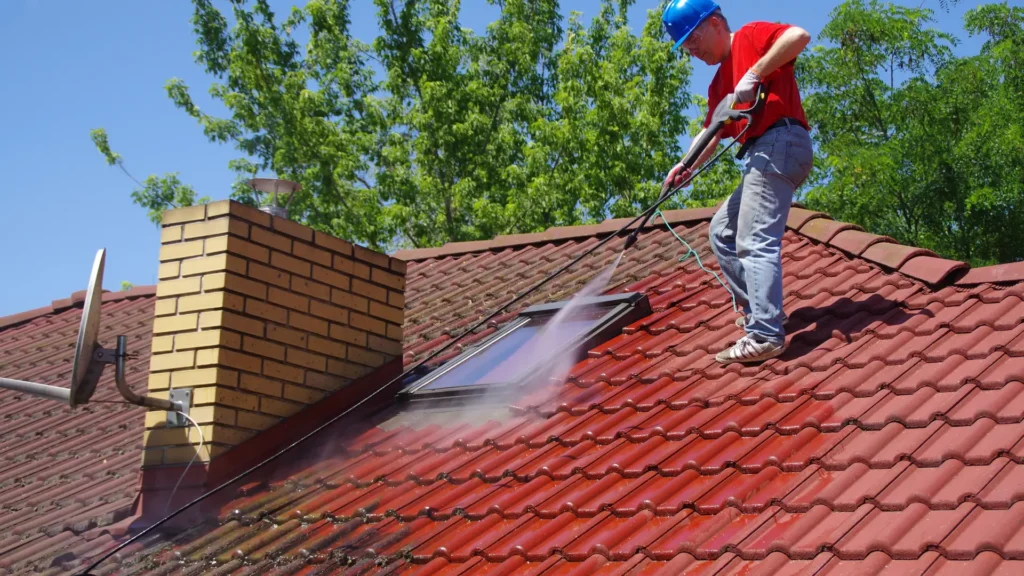
Long-Term Prevention: Keep Moss From Coming Back
Removing moss is only the first step. If the conditions that caused it are not addressed, moss will gradually return, especially in Kapiti where moisture, shade, and coastal weather create the perfect environment for regrowth. Long-term prevention focuses on reducing damp areas, improving sunlight exposure, and maintaining your roof so moss spores cannot easily settle and spread.
Improve Sunlight And Airflow
- Trim overhanging trees: Branches that extend over your roof block sunlight and drop leaves and organic debris. Trimming them back allows more light to reach the roof surface, helping it dry faster after rain and reducing the moisture moss needs to survive.
- Improve sunlight exposure: Roof sections that stay shaded most of the day are far more likely to grow moss. Increasing exposure to natural sunlight helps dry roofing materials naturally and slows down moss regrowth without the use of chemicals.
Maintain Clean And Free-Flowing Gutters
- Clean gutters seasonally: Gutters filled with leaves and debris can cause water to overflow and sit on the roof edges. Cleaning them at least twice a year, particularly after autumn and winter, helps prevent persistent damp areas where moss often begins.
- Remove roof debris regularly: Leaves, dirt, and pine needles trap moisture against the roof surface. Keeping the roof clear reduces organic buildup and allows rainwater to drain away properly.
Use Preventative Moss Control Solutions
- Install zinc or copper strips: Zinc or copper strips placed near the roof ridge slowly release minerals when it rains. These minerals wash down the roof and create conditions that discourage moss from growing, making this one of the most effective long-term prevention methods.
- Apply preventative moss treatments: Roof-safe moss inhibitors can be applied periodically, especially in shaded or high-risk areas. These treatments work best when used proactively rather than after moss has already spread.
Schedule Regular Roof Inspections
- Inspect your roof annually: Checking your roof at least once a year allows you to spot early signs of moss growth before it becomes widespread and harder to remove.
- Fix small issues early: Cracked tiles, loose flashing, and poor drainage can all contribute to moisture buildup. Addressing minor issues early helps protect your roof and reduces the likelihood of moss returning.
Taking a preventative approach makes a significant difference in keeping moss from coming back. With consistent maintenance and a few smart improvements, you can protect your roof, extend its lifespan, and avoid repeated moss removal in the future.
If you’re unsure about climbing onto your roof, dealing with heavy moss growth, or simply want long-lasting results without the risk, we’re here to help. Our team specializes in safe, effective roof moss removal designed specifically for Kapiti’s unique climate—protecting your roof while restoring its clean, well-maintained look.
References
- How to Remove Moss From a Roof (Bob Vila Guide)
https://www.bobvila.com/articles/how-to-remove-moss-from-roof/ Bob Vila - How to Remove Moss From a Roof and Keep It Off (Better Homes & Gardens)
https://www.bhg.com/home-improvement/exteriors/roofs/how-to-remove-moss-from-roof-281474979645362/ Better Homes & Gardens - How to Remove Moss From a Roof Safely & Effectively (RayPro Roofing)
https://rayproroofing.com/blog/remove-moss-from-roof/ Ray Pro Roofing - Removing Moss From Your Roof: Expert Tips (Redfin Article)
https://www.redfin.com/blog/removing-moss-from-your-roof-everything-you-need-to-know/ Redfin - How to Remove Moss From Your Roof: Best Methods & Prevention Tips (NJAHC)
https://njahc.com/how-to-remove-moss-from-roof/ American Home Contractors New Jersey
FAQs: About How To Remove Moss From Roof In Kapiti
Why does moss grow on roofs in Kapiti so often?
Moss grows easily in Kapiti due to frequent rainfall, coastal humidity, mild temperatures, and shaded areas from nearby trees. These conditions create the damp environment moss needs to thrive on roofing materials.
Is moss on a roof really a problem or just cosmetic?
Moss is more than a cosmetic issue. It traps moisture against roofing materials, which can lead to shingle damage, leaks, blocked gutters, and a shorter roof lifespan if left untreated.
What is the safest way to remove moss from a roof?
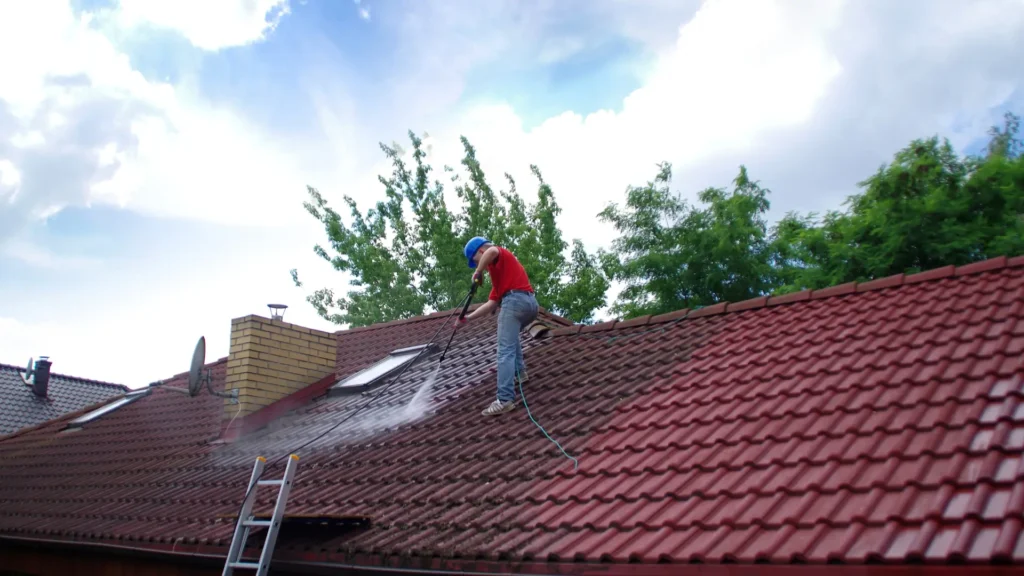
The safest method is to gently brush moss off using a soft broom, working downward to avoid lifting shingles, followed by applying a roof-safe moss treatment. High-pressure washing should be avoided as it can damage the roof.
Can I use a pressure washer to remove roof moss?
No, pressure washers can strip protective coatings, loosen shingles, and force water under roofing materials. Low-pressure rinsing combined with manual removal is much safer and more effective.
When is the best time of year to remove moss from a roof in Kapiti?
Late spring to early autumn is ideal, as drier weather allows moss treatments to work effectively and reduces the risk of slipping while on the roof.
Are DIY moss removal treatments safe for my roof?
Many DIY treatments are safe when used correctly, but harsh chemicals or improper application can damage roofing materials. Always use roof-specific products and follow instructions carefully.
How often should I check my roof for moss growth?
It’s best to inspect your roof at least once a year, especially after winter, when moss growth is most likely to develop due to increased moisture.
Can moss come back after removal?
Yes, moss can return if preventative steps aren’t taken. Trimming trees, keeping gutters clean, and installing zinc or copper strips can significantly reduce regrowth.
Is professional roof moss removal worth it?
Professional moss removal is worth considering if moss coverage is extensive, the roof is steep, or safety is a concern. Professionals also identify early roof issues during cleaning.
How long does roof moss removal last?
With proper prevention and maintenance, moss removal can last several years. Regular inspections and preventative measures help extend results and protect your roof.
Conclusion
Keeping your roof free from moss is an important part of protecting your home, especially in Kapiti’s damp and coastal environment, and the key takeaways are simple but effective: remove moss early, use gentle and roof-safe methods, and focus on long-term prevention to avoid repeat growth. Consistency matters just as much as the initial clean, as regular inspections, gutter maintenance, and trimming back overhanging trees can make a noticeable difference over time. Just as importantly, safety should always come first, whether that means using the right equipment, choosing the right weather conditions, or knowing when it’s better to leave the job to professionals. With the right approach and ongoing care, moss removal becomes a manageable task rather than a recurring problem. If you have your own tips, questions, or experiences with roof moss removal in Kapiti, feel free to share them or reach out for advice, as staying informed and proactive is one of the best ways to keep your roof in great condition.